
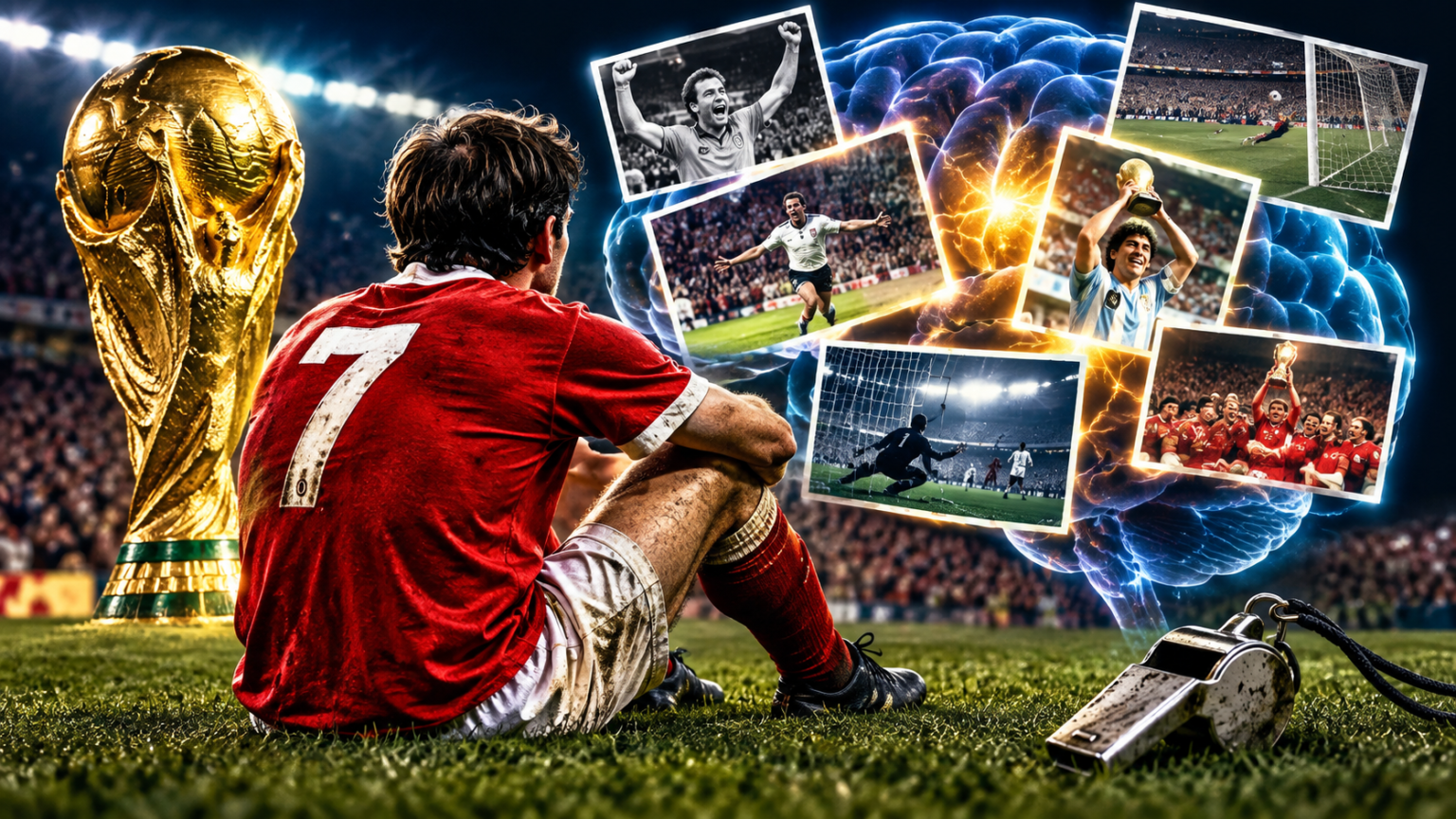

Football memory is strange. A 0-0 draw can vanish by Monday, while a messy 4-3, played under rain and bad floodlights, stays sharp for twenty years. The brain does not save a match like a clean video file. It keeps smells, arguments, missed buses, a father’s shout, and the exact thud of a late shot hitting the post. Fans remember context as much as score. They remember where they stood, who texted first, and why the referee made everyone furious. That mix turns sport into personal history. Some supporters compare that need for proof with checking real money notes on an online casino list before visiting Slovenia, because trust begins with small details, not grand promises.
The score becomes a timestamp
Certain matches act like dates in a family diary. People say, “the night Liverpool came back in Istanbul,” and they mean 2005, but they also mean the old sofa, the cheap takeaway, and the friend who left too early. It sticks. The same habit appears in betting talk, where supporters check payout speed notes for casinos reviewed by Pistolo before trusting a result page or receipt. One clear marker makes the whole night easier to store. A final in May, a derby on Boxing Day, or a World Cup game watched at 3 a.m. gives memory a hook. Without that hook, even fine football fades.
One player gives the match a face
A game needs a human shape. Diego Maradona in 1986, Zinedine Zidane in 2006, Sergio Agüero in 2012: each name pulls a scene behind it. The run. The headbutt. The screaming commentator losing his voice. People recall faces faster than formations, because a face carries choice, pressure, and fault. A full-back slipping in stoppage time can become more memorable than the winning striker, which feels harsh but honest. Football loves blame. It also loves rescue. The player who misses early and scores late gives the crowd a story with guilt and release packed into ninety minutes. That is why a normal league match can outlive a polished final. One person gave it a pulse.
Noise, weather, and tiny mistakes
Memory likes friction. A perfect pitch and a neat 2-0 win rarely leave much grit. Mud does. So do whistles, flares, freezing hands, and the weird silence after an away goal. The 1999 Champions League final is remembered for two goals in injury time, but also for Bayern shirts already feeling half victorious. The shock had a setting. In local football, the same rule works on a smaller scale. A Sunday keeper drops the ball because the sun is in his eyes, and ten people in the clubhouse still mention it every December. Small flaws make a match feel touchable. They give fans something to argue about without opening a database. Was it a foul? Did the wind bend the cross? Nobody agrees, so the memory stays alive.
Rewatching changes the memory
Old highlights are not neutral. They tidy chaos. A broadcast clip cuts the twenty dull minutes before the goal, removes the nervous walk to the toilet, and adds commentary that tells people what to feel. Still, replay has power. A fan who watched France beat Brazil in 1998 as a child may later notice Deschamps covering space, not just Zidane scoring headers. The match grows up with the viewer. Sometimes the opposite happens. A legendary game looks slower on rewatch, with loose passing and defenders standing off. That can be disappointing. But disappointment is part of memory too. It proves the remembered match was never only on the screen. It was also in the room, in the body, and in the age of the person watching.
Rivalry gives every kick extra weight
Derbies burn longer because the result follows people home. A cup final between distant clubs can be huge, yet a neighborhood rivalry keeps showing up at work, school, and the corner shop. No escape. The match becomes a social bill that must be paid in jokes, silence, or revenge talk before the next meeting. This is why Celtic against Rangers, Boca against River, and Fenerbahçe against Galatasaray produce memories that feel louder than the table says they should. The points matter, but pride does most of the carrying. Even a poor derby can stick if one chant, tackle, or red card gives supporters a line to repeat. Memory loves repetition. Rivalry supplies it for free.
A shared story beats a perfect statistic
Numbers explain a match, but they rarely explain why people keep talking about it. Expected goals, pass maps, and heat charts help coaches. Fans carry stranger data: the minute their uncle swore, the seat number, the radio call in a parked car. Tiny facts. A match stays when private memory and public drama lock together. The same event belongs to millions and still feels personal. That is the trick. The final whistle stops play, not meaning. Afterward, people sort the night through clips, pub debates, group chats, and old scarves folded in drawers. Some details fade. Others harden. A ticket stub helps. So does a voice note sent before kickoff, while hope was still foolish and bright. Write that down before it gets polished away. Anyone trying to understand their own favorite match should ask one simple thing before checking the score again: what was happening around the football?