
By Martin Graham
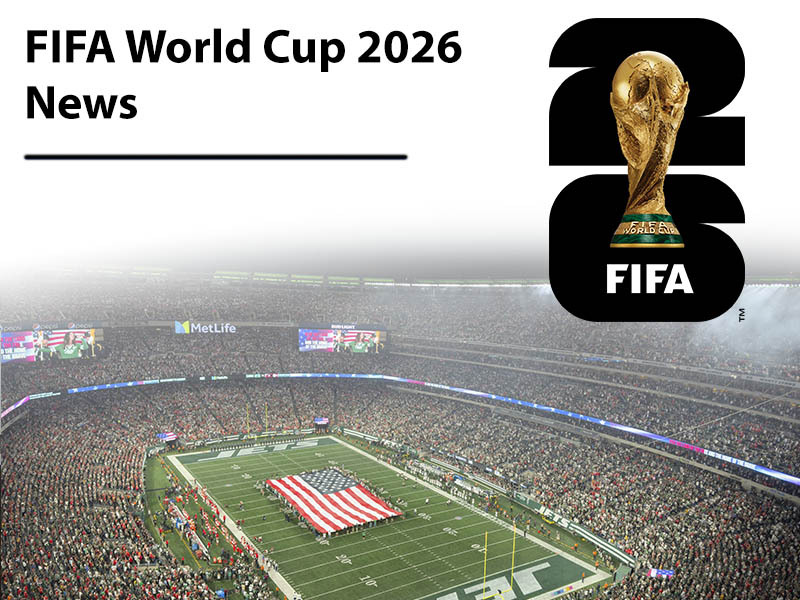
The recently concluded Club World Cup has been viewed by many as a rehearsal for next year’s expanded 48-team World Cup across the United States, Canada, and Mexico. With matches held in cities such as Atlanta, Miami, Philadelphia, New York, and Seattle – all of which will also host World Cup fixtures – the tournament provided insights into what lies ahead in 2026.
Michael Brown, former Manchester City and Tottenham midfielder who covered 10 games across five cities for DAZN, described the competition as a valuable test for FIFA. But the event also exposed several challenges that could carry into next summer.
Climate challenges and scheduling issues
Severe heat and violent storms disrupted multiple games, leading to lengthy delays. Under U.S. regulations, play must be halted when lightning is detected within a 10-mile range and cannot resume until 30 minutes after the last strike. Six fixtures faced interruptions, with some suspended for up to two hours. Chelsea’s match against Benfica, for instance, was stopped with only minutes remaining before eventually being decided in extra time.
Temperatures reached 39°C in New York, with the humidity pushing the heat index above 50°C. Several coaches and players voiced concerns, including Enzo Maresca, Igor Tudor, Niko Kovac, and Luis Enrique. Juventus saw ten players ask to be substituted due to heat exhaustion, while Borussia Dortmund staff avoided the sun by staying inside at kickoff. Even sniffer dogs at Lincoln Financial Field had to wear protective footwear due to hot concrete surfaces.
Nine of the 16 cities for next year’s tournament are considered to carry a “very high” or “extremely high” risk of heat-related injuries, according to FIFPro. While five venues will have retractable roofs in 2026, organizers are urged to avoid midday matches in warmer cities. Arsene Wenger suggested reconsidering start times to reduce health risks.
Crowds, pricing, and public interest
Attendance varied significantly throughout the tournament. While 17 games drew crowds above 60,000 – with the highest being 81,118 for the Chelsea vs Paris St-Germain final – four matches had fewer than 10,000 spectators. The lowest turnout was 3,412 for Mamelodi Sundowns against Ulsan HD.
Low attendances were partly blamed on weekday afternoon kick-offs. Chelsea’s opener drew 22,000 fans, a figure attributed more to the Monday 3pm time slot than a lack of interest in the sport. Some fans are reportedly saving money for the World Cup itself. Ticket pricing also sparked controversy, with dynamic pricing causing dramatic swings. For example, semi-final tickets dropped from nearly £350 to less than £10, leading to frustration among early buyers.
According to journalists like Doug Roberson and Jonathan Tannenwald, a lack of awareness and limited marketing contributed to the inconsistent turnouts. Many locals are still adjusting to football’s growing popularity. Though interest is rising, especially in cities hosting matches, Brown noted that other sports like baseball still dominate in many venues.
Infrastructure, surfaces, and security concerns
The scale of the United States posed logistical challenges that were apparent during the Club World Cup. In contrast to Qatar’s compact layout in 2022, this tournament involved travel between vast cities with varying transport options. For example, the final at MetLife Stadium was impacted by poor access, with fans walking up to half an hour in the heat after getting off at the nearest train station.
Other stadiums faced similar issues. Miami’s Hard Rock Stadium lacks nearby rail access, and post-match traffic restrictions made it difficult for fans to leave. In contrast, Atlanta’s Mercedes-Benz Stadium and Philadelphia’s Lincoln Financial Field were praised for their metro systems and efficient layouts.
On the pitch, conditions varied widely. Many stadiums converted American football fields into temporary grass surfaces with limited preparation time. Players like Jude Bellingham and Reece James were among those who criticized the ball movement and surface feel. Dortmund’s manager commented on the inconsistency across venues, comparing some pitches to golf greens due to their short length and dryness.
Security was another key focus. High-profile matches, especially the final attended by Donald Trump, saw heightened measures. Armed Secret Service personnel, snipers, bomb squads, and strict credential checks were in place. Multiple stadiums also deployed sniffer dogs and set up double security perimeters, indicating the level of scrutiny expected next year.
The Club World Cup has provided a glimpse into the rewards and risks of hosting football’s biggest stage in North America. From extreme weather to public transport, pitch quality, and fan engagement, the past month has delivered lessons that FIFA must act on before 2026 arrives.