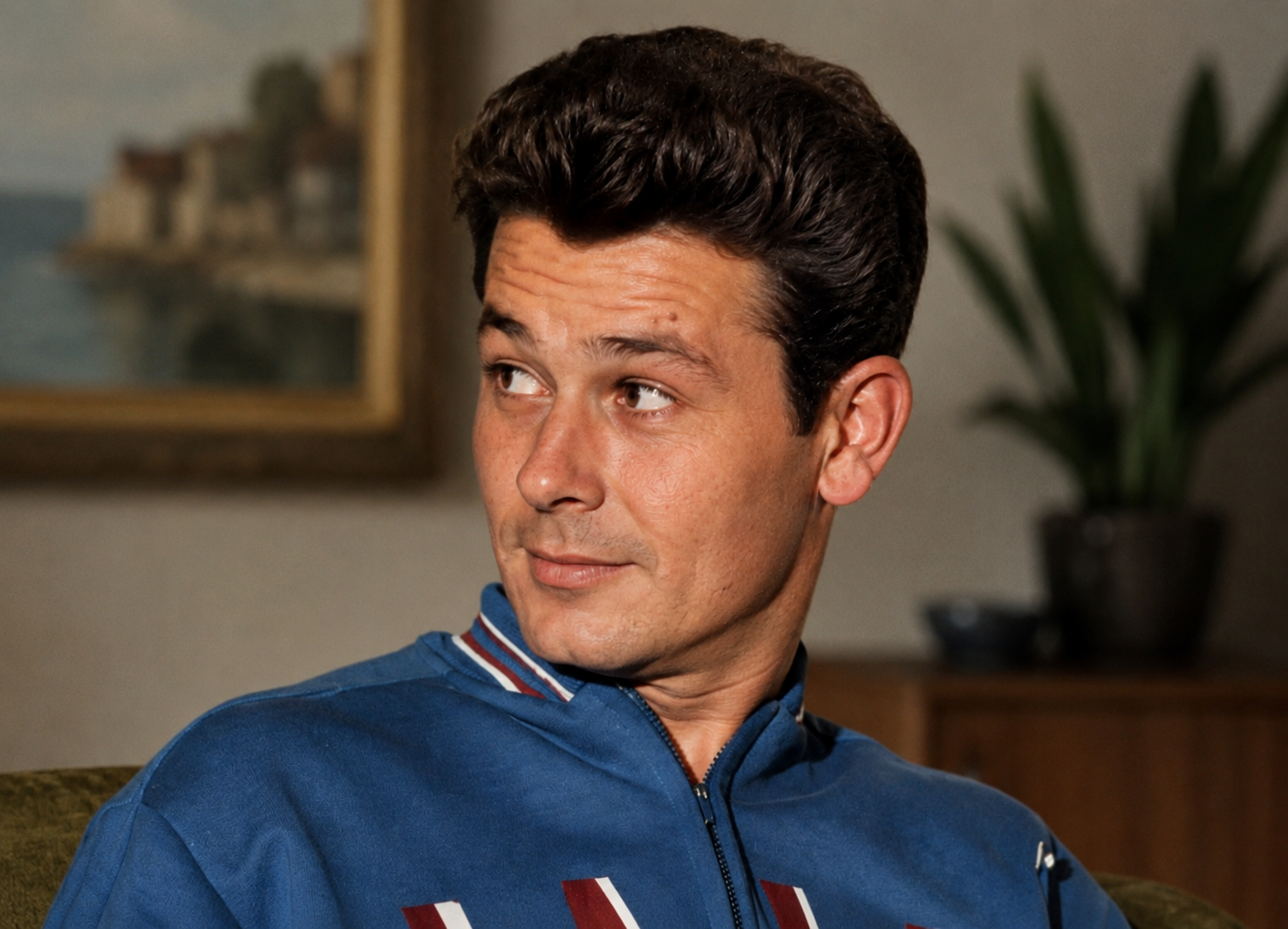
The Just Fontaine record is the oldest individual mark in World Cup history, and for the first time in decades it looks genuinely vulnerable. The Frenchman scored 13 goals at the 1958 finals in Sweden, a single-tournament total that has survived 16 World Cups and 68 years. At the 2026 finals in the United States, Canada and Mexico, a cluster of elite forwards has started so quickly that the question is no longer whether the record is safe, but who, if anyone, can reach it.
What is the Just Fontaine record?
Fontaine scored all 13 of his goals at one tournament, Sweden 1958, in just six matches, a rate of better than two goals a game. France finished third, beating West Germany 6-3 in the third-place play-off, with Fontaine claiming four of those goals. He never appeared at another World Cup, retiring at 28 because of a leg injury, so the entire record was built inside a single fortnight. You can see exactly where it sits among the highest goalscorers at World Cup finals and why it has proved so durable.
Only three players in the tournament’s history have ever reached double figures at a single World Cup: Fontaine with 13 in 1958, Hungary’s Sandor Kocsis with 11 in 1954, and West Germany’s Gerd Muller with 10 in 1970. No one has managed it in the 56 years since. For all the great strikers who have followed, the modern combination of squad rotation, tighter defences and tactical caution kept the number out of reach. Our list of the top 10 all-time World Cup goalscorers shows how even the most prolific names, from Klose to Ronaldo, built their totals across several tournaments rather than one.
Why the record is suddenly in sight
Two things have changed in 2026. The first is the format. The finals have expanded to 48 teams and 104 matches, with a new Round of 32 added to the knockout stage. A side that reaches the final now plays eight matches, two more than the six Fontaine needed in 1958. That extra runway matters. To beat 13 you need 14, and across eight games that is a rate of 1.75 goals per match: demanding, but no longer the near impossible 2.17 per game Fontaine sustained over six. We set out the marks most likely to fall in our 2026 World Cup records and stats guide.
The second is the sheer pace of the early scoring. This is the first World Cup since 1954 in which three players have scored four or more goals after only two matches. Lionel Messi has already overtaken Miroslav Klose as the World Cup’s all-time leading scorer, while Kylian Mbappe and Erling Haaland have set a ferocious tempo of their own.
| Player | Nation | Goals | Games |
|---|---|---|---|
| Lionel Messi | Argentina | 5 | 2 |
| Kylian Mbappe | France | 4 | 2 |
| Erling Haaland | Norway | 4 | 2 |
| Deniz Undav | Germany | 3 | 2 |
| Jonathan David | Canada | 3 | 2 |
| Harry Kane | England | 2 | 2 |
| Folarin Balogun | USA | 2 | 2 |
| Mikel Oyarzabal | Spain | 2 | 2 |
Leading scorers after two group games, as of 24 June 2026. Fontaine’s 1958 target: 13.
The contenders
Lionel Messi
Messi leads the way with five goals in two games, including a double against Austria, and in doing so has moved past Klose as the World Cup’s all-time leading scorer on 18. If Argentina, the holders, go all the way, Messi would have six matches left and would need nine more goals to reach 14. That is a rate of 1.5 a game across the rest of a tournament, which even for him, at 38, would be extraordinary, particularly with rotation and fatigue to manage. The record is within range, but the schedule is unforgiving.
Kylian Mbappe
Mbappe sits on four goals and has drawn level with Klose on 16 in the all-time list. Of the leading contenders he may be the best placed. He is 26, France are among the favourites and likely to go deep, and he takes the penalties. From four goals he would need ten more across a possible six remaining games, a rate of about 1.67 a match. It is a tall order, but no one has a more favourable mix of form, age and a strong team around them.
Erling Haaland
Haaland has matched Mbappe with four goals and is already Norway’s leading World Cup scorer, on his tournament debut. His scoring rate is elite, but his problem is the runway. Norway are at their first World Cup since 1998 and are unlikely to reach the final, which caps the number of games available to him. Even at two goals a game, a Norway exit in the Round of 16 or the quarter-finals would almost certainly leave him short, however many he scores. For Haaland, the record is a question of matches, not finishing.
Harry Kane
Kane has two goals after England were held to a goalless draw by Ghana, and one more strike will take him past Gary Lineker as England’s record World Cup scorer. The Golden Boot remains a realistic target, but Fontaine’s mark is a different matter. From two goals Kane would need 12 more, and even a run to the final would require him to score at two a game for the rest of the tournament, double his current rate. A proven tournament scorer and penalty taker, he cannot be ruled out entirely, but he is the longest shot of the four.
The outside bets
Beyond the headline names, the host nations offer genuine outsiders. Canada’s Jonathan David already has a hat-trick and three goals, and the United States’ Folarin Balogun has two, with both teams capable of a long home run that would hand their strikers extra matches. You can trace David’s treble in our complete list of World Cup hat-tricks. Germany’s Deniz Undav, a pre-tournament outsider, has three, while Brazil’s Vinicius Junior and Matheus Cunha are among a large group on two. Any of them would need both a deep run and a sudden surge to enter the conversation.
How close is the Just Fontaine record to falling?
The honest answer is that the Just Fontaine record is more reachable in 2026 than at any point in 68 years, yet it is still likely to survive. The reason is the tension at the heart of the chase. Breaking it requires both an elite per-game rate and a run to the final, and those two things tend to work against each other, because going deep means tougher opponents, squad rotation and the occasional cagey knockout tie.
On the current evidence, Mbappe and Messi look the strongest threats, with the France forward perhaps the single most likely to get close given his age and his team’s strength. Haaland’s rate is the most frightening of all, but Norway’s probable early exit is the firewall protecting the record. Kane needs too much, too quickly. Our wider look at who has scored the most goals in World Cup history underlines just how rare double figures in one tournament really is. The smart money still says 13 stands, but the margin in 2026 will be the closest it has been since Fontaine set the mark.
Frequently asked questions
A quick guide to the most common questions about Just Fontaine’s record and whether anyone can break it at the 2026 World Cup.
What is Just Fontaine’s World Cup record?
Just Fontaine scored 13 goals at the 1958 World Cup in Sweden, all in a single tournament across six matches. It remains the record for the most goals scored at one edition of the finals.
Has anyone come close to beating it?
Only two players have got near it. Hungary’s Sandor Kocsis scored 11 at the 1954 finals and West Germany’s Gerd Muller scored 10 in 1970. No player has reached double figures at a single World Cup in the 56 years since.
Can Lionel Messi break the Just Fontaine record in 2026?
It is possible but unlikely. Messi leads the 2026 scoring charts with five goals after two games, but he would need nine more to reach 14, even if Argentina go all the way to the final, a rate of 1.5 goals a game over the rest of the tournament.
Why might the record finally be broken now?
The 2026 World Cup has expanded to 48 teams and 104 matches, with an extra knockout round. A team reaching the final now plays eight matches rather than the six Fontaine needed, which lowers the rate required to beat the record to 1.75 goals a game.
Who is most likely to break it?
Kylian Mbappe and Lionel Messi are the best placed, because both have started prolifically and play for sides expected to go deep. Erling Haaland’s scoring rate is elite, but Norway are unlikely to play enough matches for him to reach 14.