





By Martin Graham
Back in 2021, former Barcelona coach Xavi declared that Ousmane Dembele could reach the very top if managed in the right way. At that point, many dismissed the idea, doubting whether the winger would ever justify the £135.5m fee Barcelona had paid to Borussia Dortmund in 2017.
After years defined by setbacks, from recurring injuries to doubts about his mindset, Dembele has silenced the skeptics by claiming the Ballon d’Or at the age of 28. The Paris ceremony brought him to tears as he thanked his family for the sacrifices behind his journey.
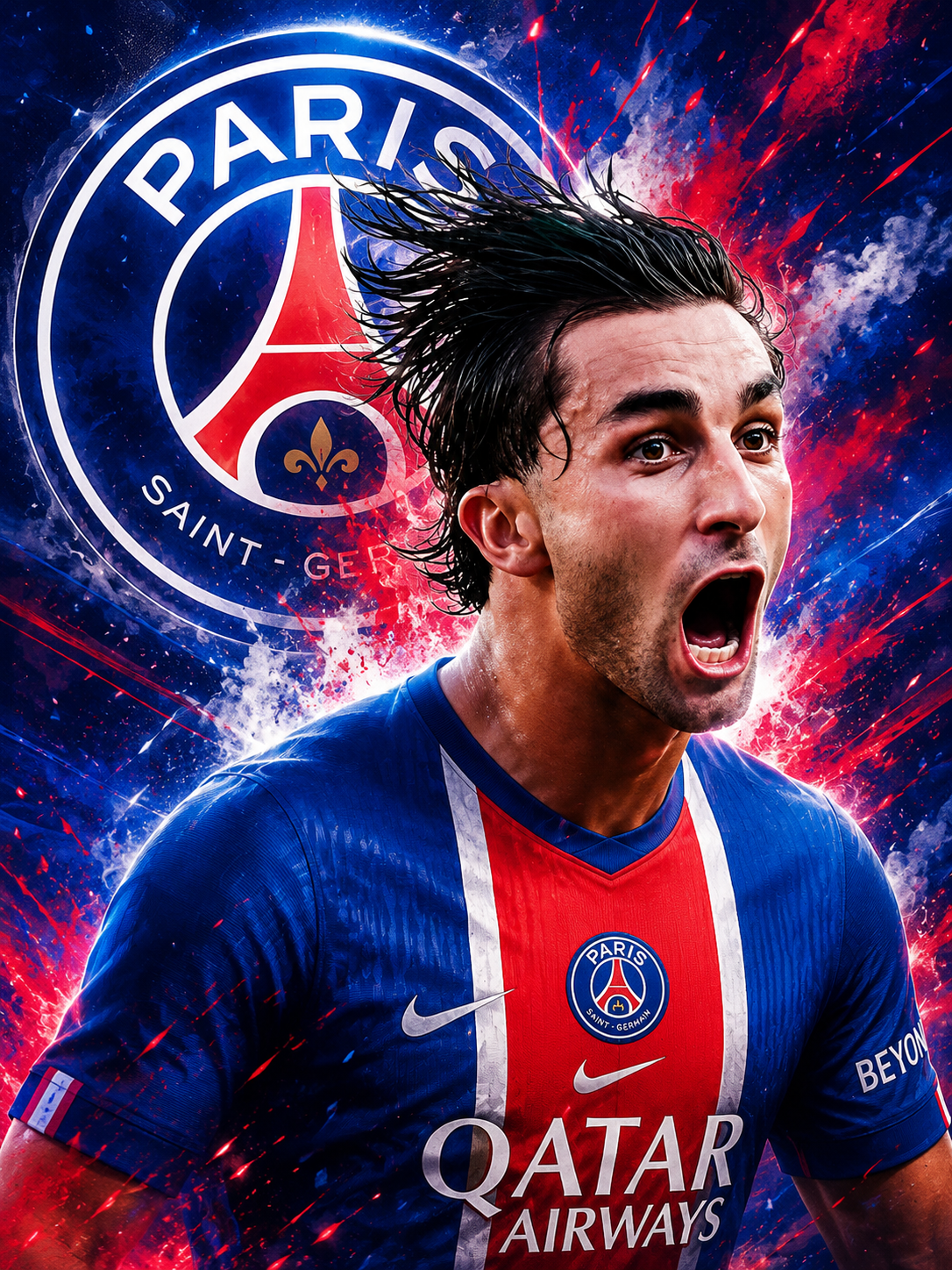
His breakthrough campaign with Paris St-Germain saw him net 35 times and supply 14 assists across all competitions, powering the French club to a league, cup, and Champions League treble, followed by a Club World Cup final appearance. Those numbers surpassed the output of rivals such as Mohamed Salah, Kylian Mbappe, and Barcelona duo Lamine Yamal and Raphinha.
PSG’s shift after Mbappe’s transfer to Real Madrid proved pivotal. Signed from Barcelona for £43.5m in 2023, Dembele had initially played a supporting role while Mbappe scored freely. Once the striker left, Luis Enrique tasked Dembele with more responsibility, demanding goals alongside his creativity. The message was simple: take more chances, think less about assisting others, and focus on scoring himself.
The result was a leap in productivity. His 51 direct contributions doubled his best previous tally, with his 35 goals alone surpassing any personal record by a wide margin. His move from a right-sided role to an inside position gave him both more influence in possession and a sharper edge in front of goal.
A new approach and maturity
Though Mbappe’s move opened the door, Dembele’s revival had already begun in Barcelona. Long plagued by muscle problems – 14 in total during his spell in Spain – he missed over two years of football. Off-field issues also raised eyebrows, with fines for lateness and worries about lifestyle choices leading the club to assign chefs and stricter routines.
Despite those setbacks, Dembele’s pace and flair always hinted at what could be achieved. The turning point arrived in 2021 when he married Rima in Morocco, followed shortly by the birth of their child. That shift in his private life helped him adopt a more disciplined mindset and steadier outlook.
From then on, he added preventative treatment sessions in France and worked with a physiotherapist at home. Hiring a nutritionist ensured a healthier daily routine and fewer injuries. These habits carried into his time at PSG, laying the foundation for consistent form.
From wasted promise to World’s best
The narrative many expected was that PSG’s glory would depend on Mbappe becoming the standout figure of his generation. Ironically, that role went instead to his national teammate.
Now, with Dembele recognized as the planet’s top footballer, the doubts that shadowed him for so long have been replaced by proof that he could fulfill his early promise. What once looked like a career lost to missed chances and constant setbacks has become a story of patience, resilience, and eventual reward.

