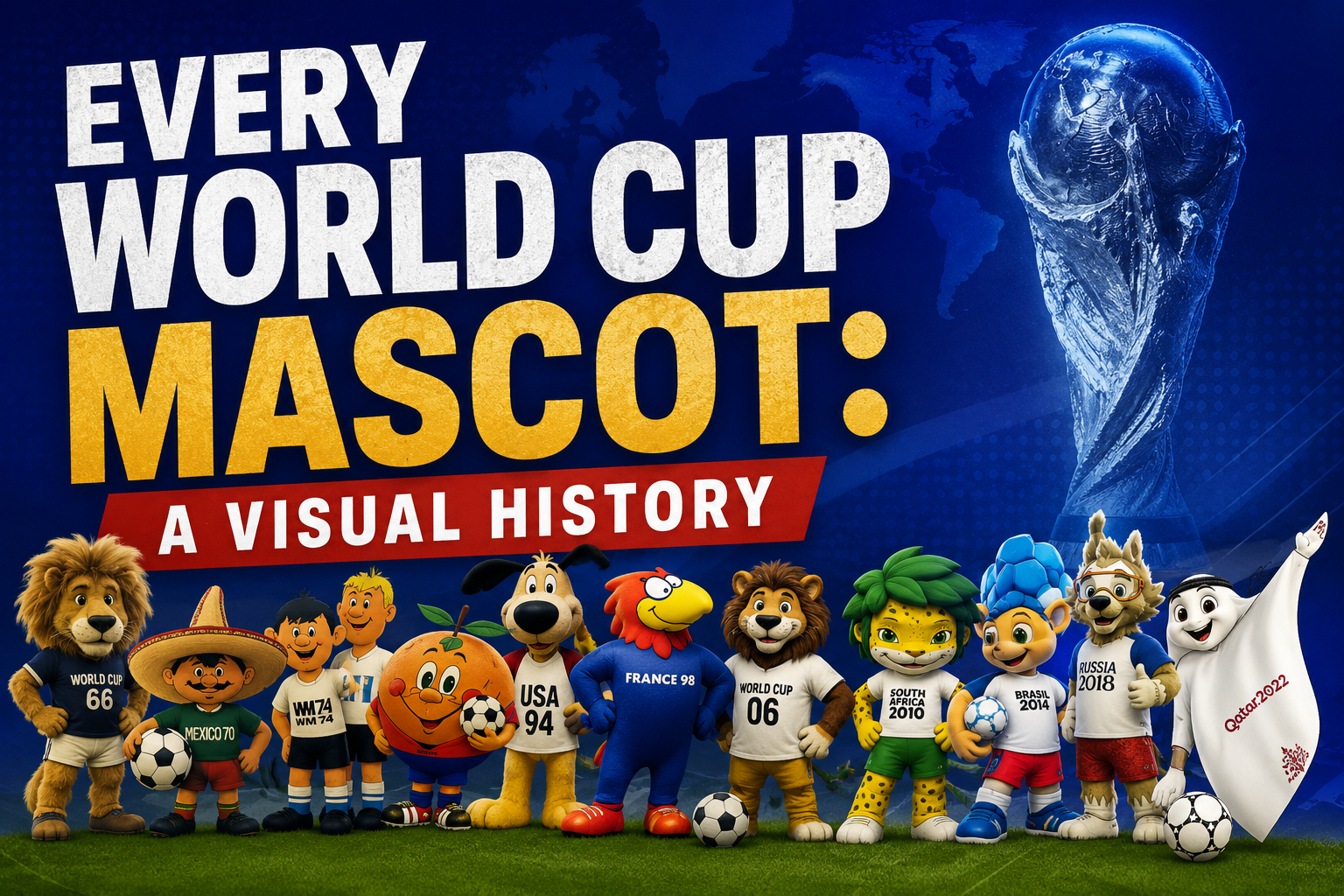
Since 1966, every FIFA World Cup has had an official mascot. Every World Cup Mascot was a colourful character designed to embody the host nation’s culture and add a splash of personality to the tournament. From a Union Jack-clad lion to a flying keffiyeh, the mascots offer a surprisingly entertaining tour through 60 years of design history.
Complete FIFA World Cup Mascot Timeline
| World Cup | Mascot | Country | Type |
|---|---|---|---|
| 1966 | Willie | England | Lion |
| 1970 | Juanito | Mexico | Boy |
| 1974 | Tip and Tap | West Germany | Two Boys |
| 1978 | Gauchito | Argentina | Gaucho Boy |
| 1982 | Naranjito | Spain | Orange |
| 1986 | Pique | Mexico | Chilli Pepper |
| 1990 | Ciao | Italy | Abstract Figure |
| 1994 | Striker | USA | Dog |
| 1998 | Footix | France | Rooster |
| 2002 | Ato, Kaz & Nik | Korea/Japan | Fantasy Characters |
| 2006 | Goleo VI | Germany | Lion |
| 2010 | Zakumi | South Africa | Leopard |
| 2014 | Fuleco | Brazil | Armadillo |
| 2018 | Zabivaka | Russia | Wolf |
| 2022 | La’eeb | Qatar | Flying Ghutrah |
| 2026 | Maple, Zayu & Clutch | USA, Canada & Mexico | Animal Trio |
Contents
- Willie, England 1966
- Juanito, Mexico 1970
- Tip and Tap, West Germany 1974
- Gauchito, Argentina 1978
- Naranjito, Spain 1982
- Pique, Mexico 1986
- Ciao, Italy 1990
- Striker, USA 1994
- Zakumi, Zabivaka, and La’eeb: The Modern Era
- What Comes in 2026
- Mascots in the Streaming Era
- Final Notes on Mascot Culture
- Conclusion
Willie, England 1966
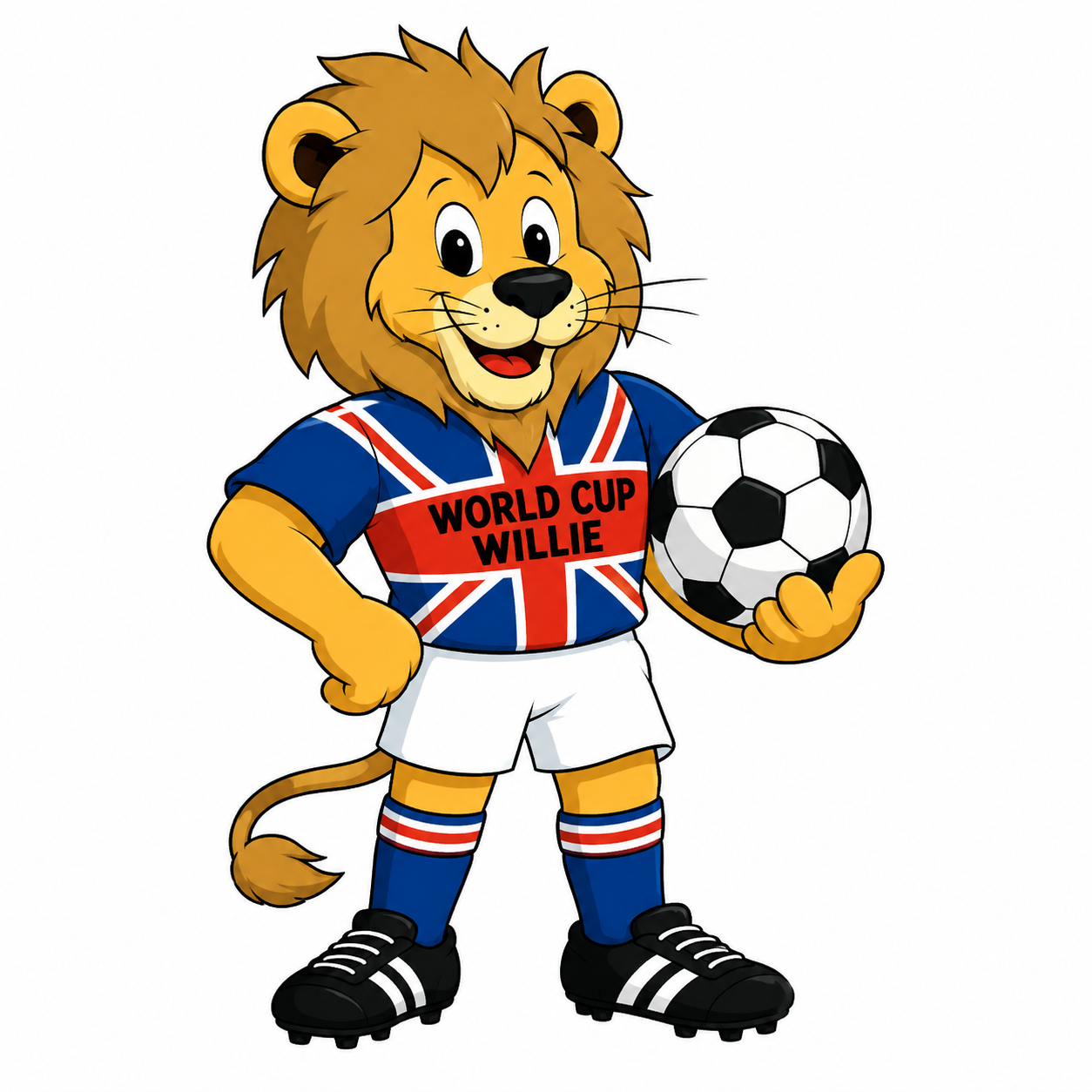
The original. World Cup Willie was a lion wearing a Union Jack shirt, giving the England national team a clear identity. He was the first sporting mascot ever created for any major event, predating Olympic mascots by two tournaments. Designed by children’s book illustrator Reg Hoye, Willie set the template every host has followed since. He even had his own pop song.
Juanito, Mexico 1970
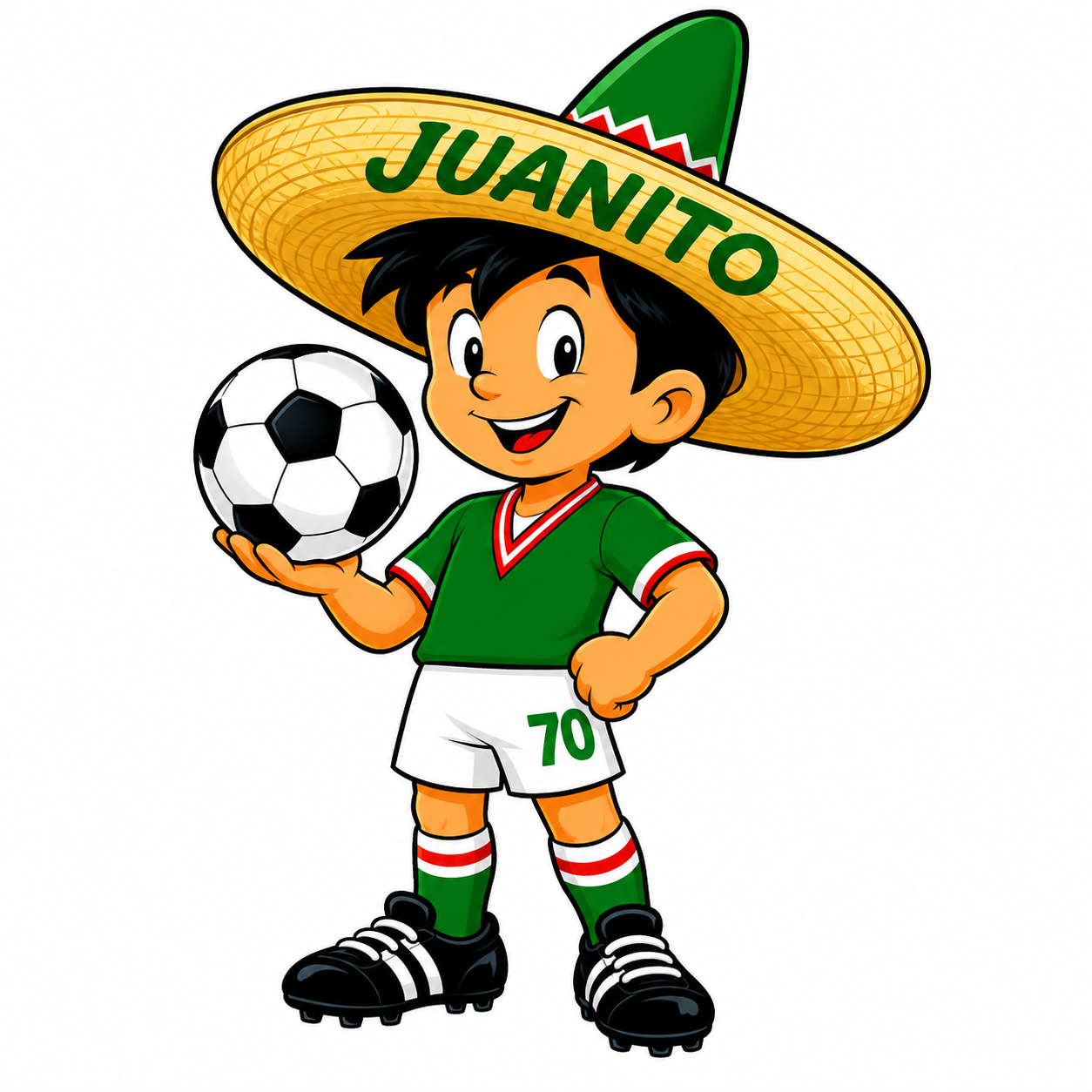
A young boy wearing a sombrero and a Mexico kit. Juanito was less abstract than Willie. A literal representation of a hopeful Mexican youth. He reflected the more earnest, less commercial tournament identity of the era. The cartoon style would become a fixture for the next several editions.
Tip and Tap, West Germany 1974
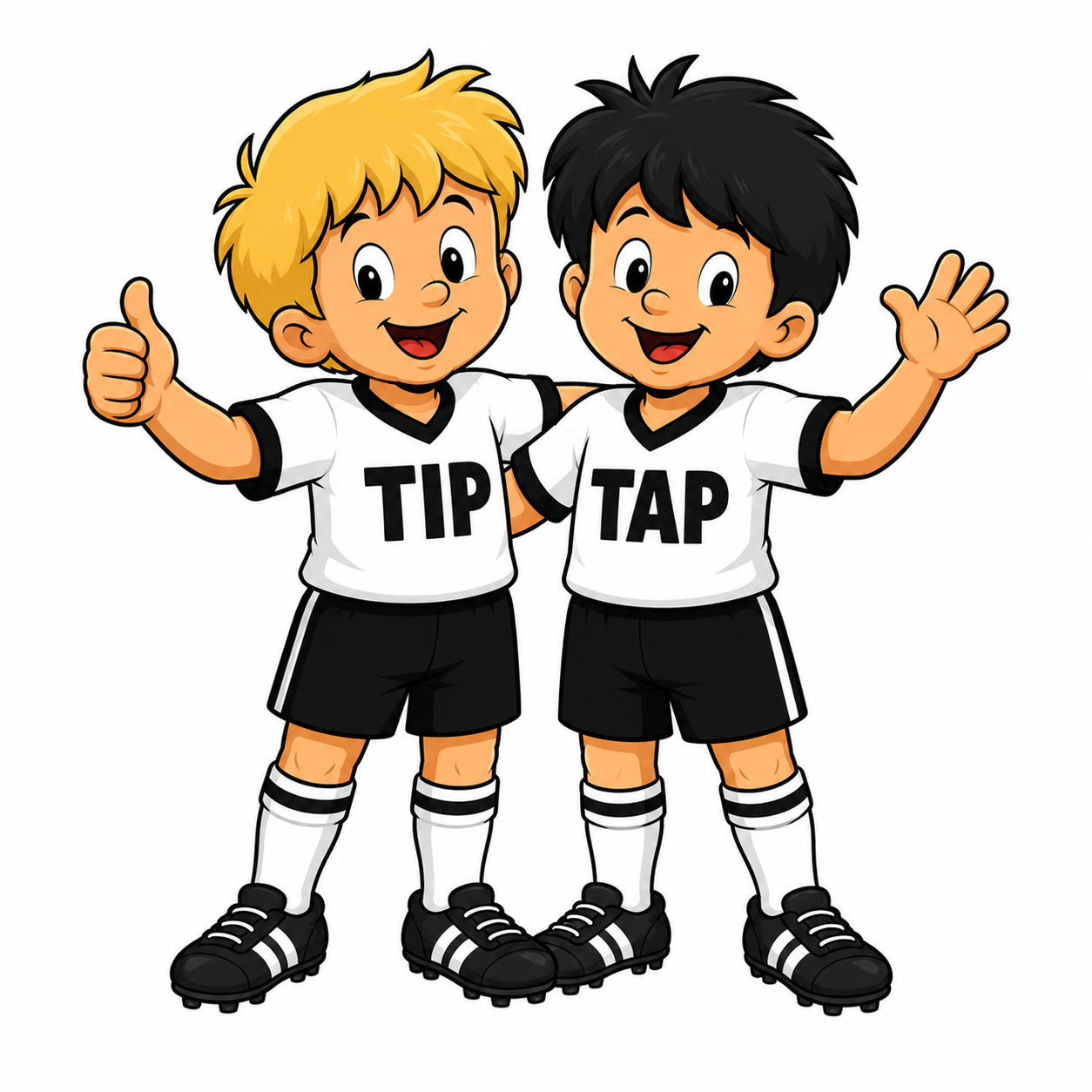
The first pair of mascots, representing two German boys in WM shirts numbered with the host year. Tip and Tap leaned into the friendly, sporting-fraternity image West Germany wanted to project. They also reflected a tournament held under the shadow of recent history, when soft public diplomacy mattered.
Gauchito, Argentina 1978
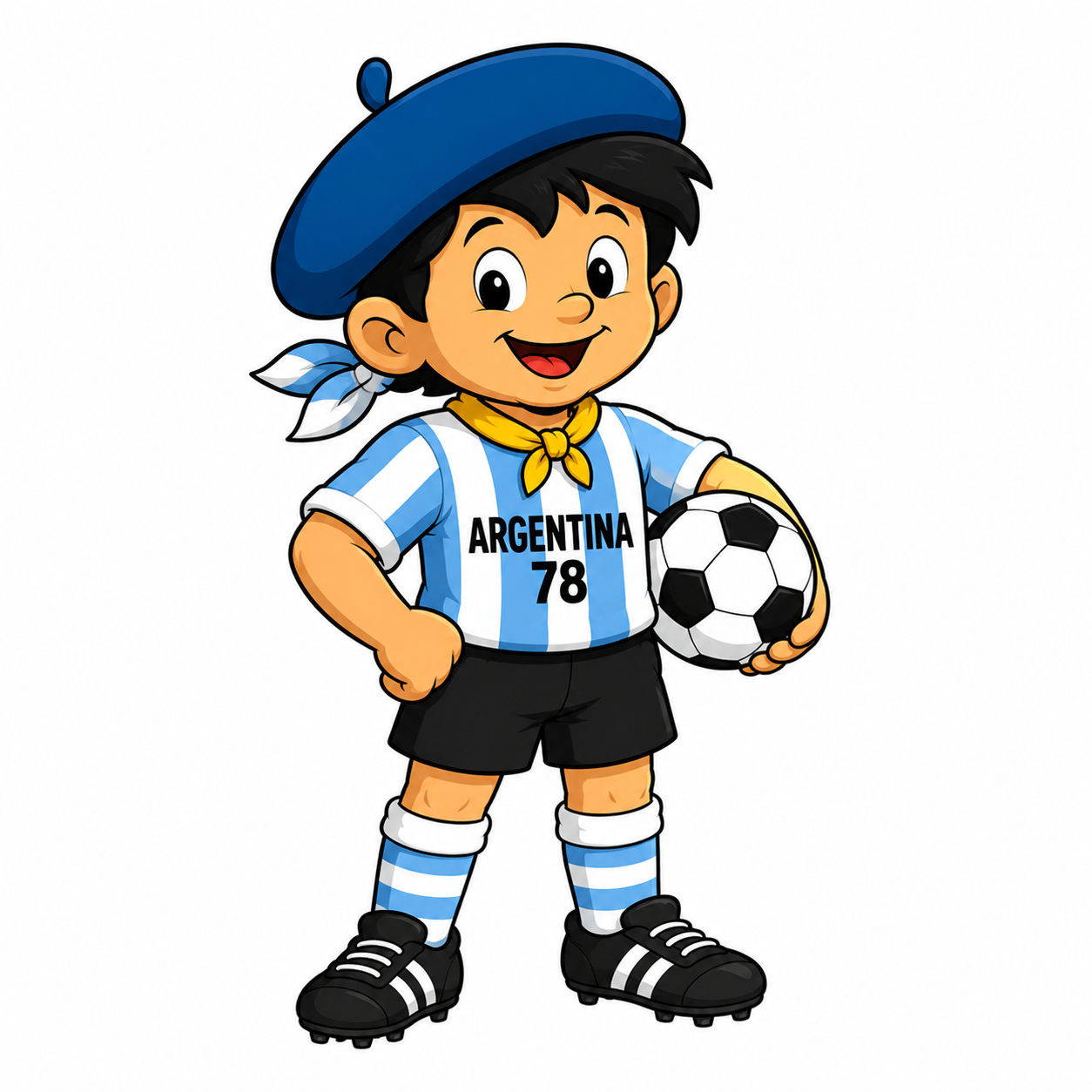
A young boy wearing a gaucho hat, neckerchief, and Argentina kit, holding a whip. Gauchito was, in design terms, basically Juanito with Argentine accessories. A template that worked. Argentina won the tournament on home soil, giving the mascot a triumphant footnote.
Naranjito, Spain 1982
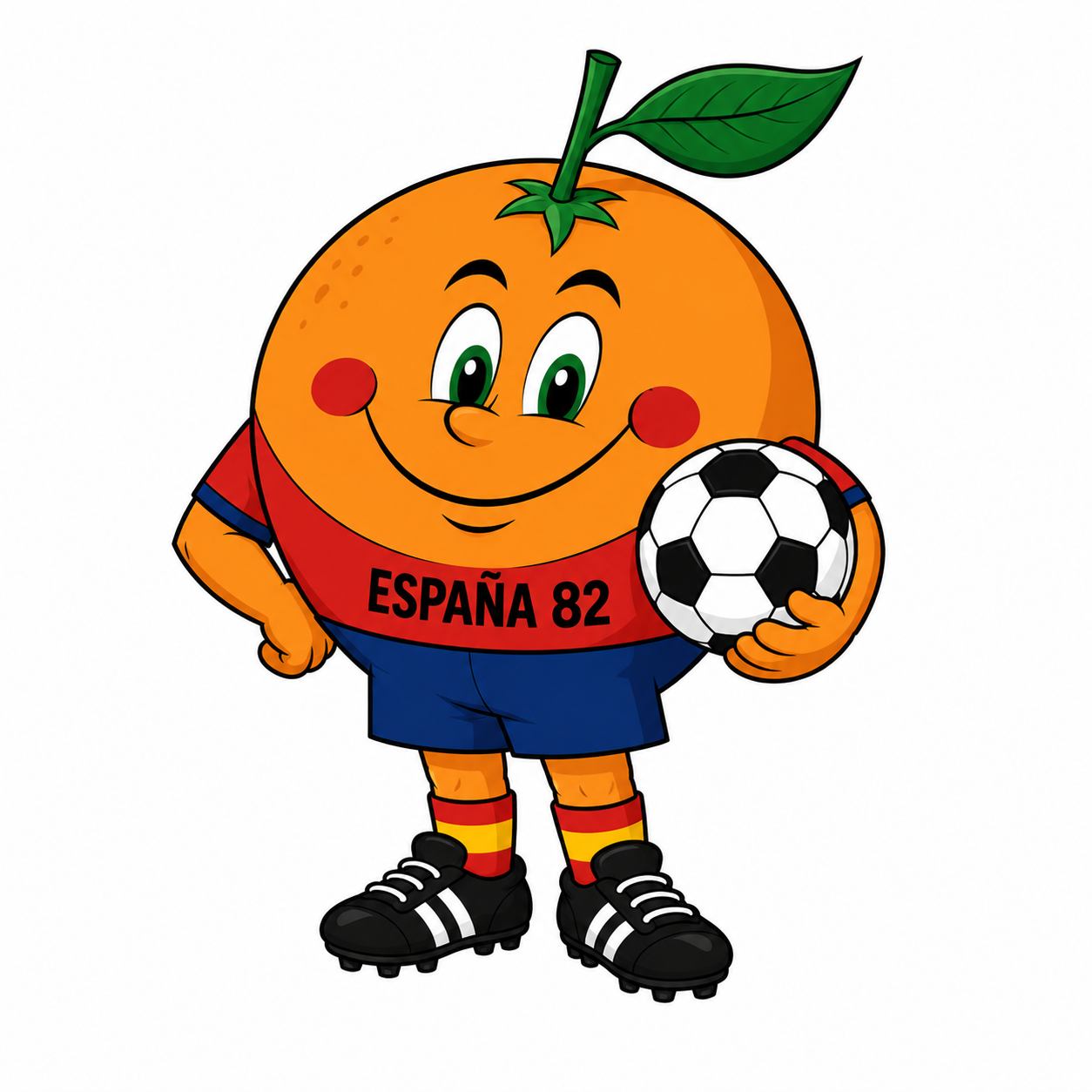
A walking orange. Naranjito (“little orange”) was a leap into abstraction, representing Spain’s most famous agricultural export. Spanish viewers found it instantly recognisable. Foreign audiences thought it bizarre. It is now genuinely beloved, regularly topping nostalgia lists of best mascots ever.
Pique, Mexico 1986
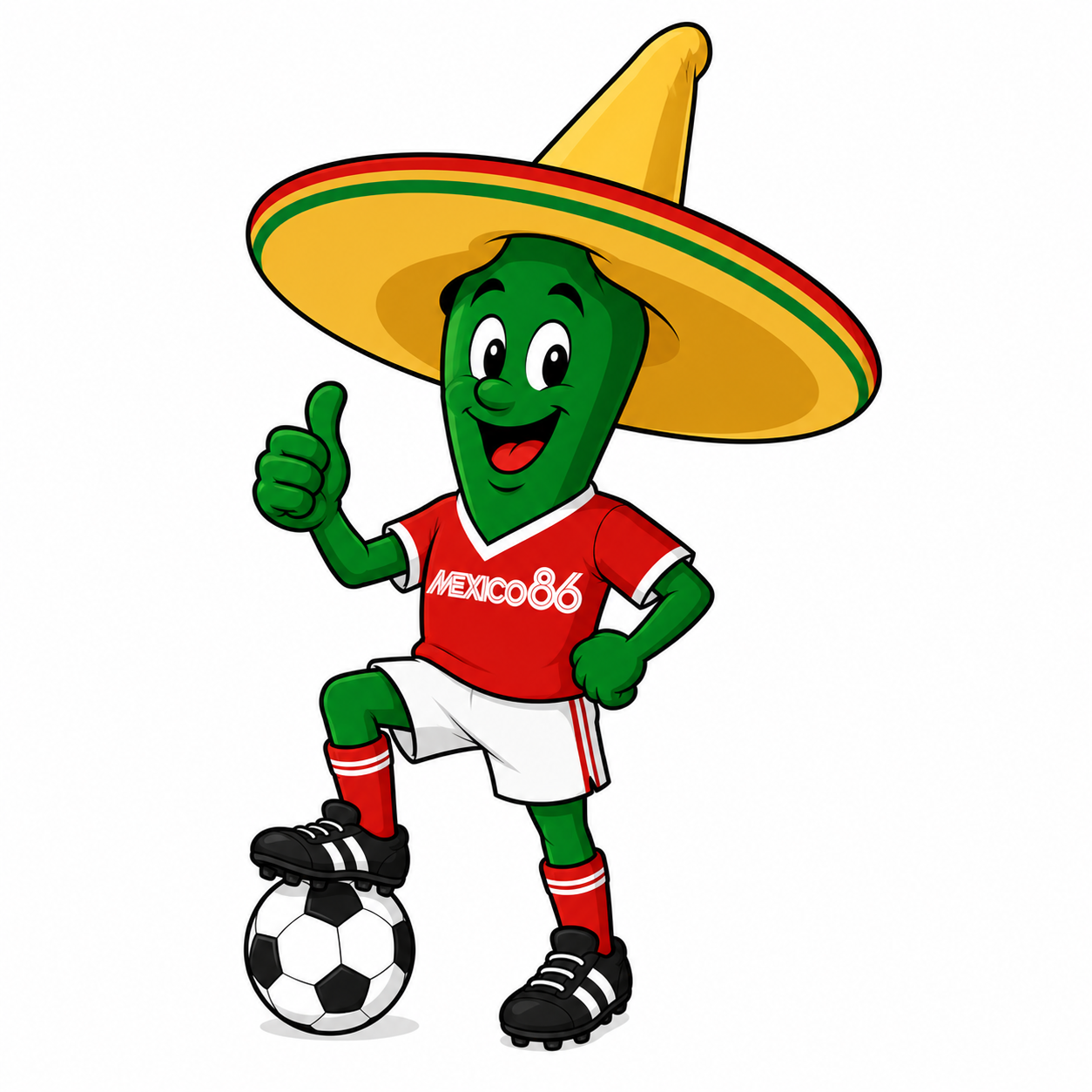
A chilli pepper with a moustache and sombrero, named after the Mexican word for spice. Pique remains one of the most distinctive mascots, leaning hard into a single visual joke. Mexico’s second tournament hosting brought the country’s culinary identity to the foreground in a way 1970’s mascot didn’t.
Ciao, Italy 1990
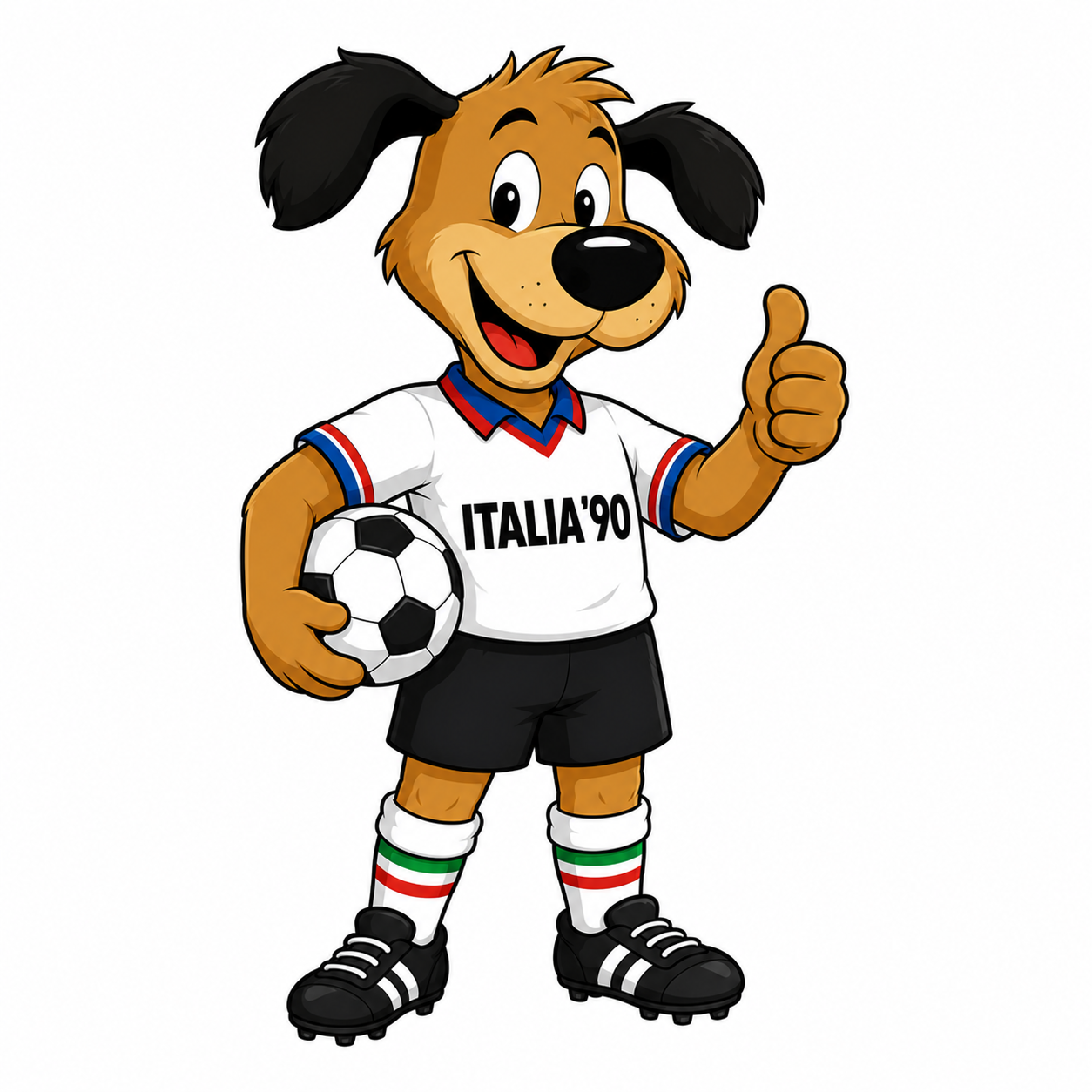
A leap into geometric abstraction. Ciao was a stick figure made of red, white, and green building blocks with a football for a head. It divided opinion immediately. Too modern, too cold, too far from the cartoon-mascot tradition. It is now a cult favourite among design enthusiasts.
Striker, USA 1994
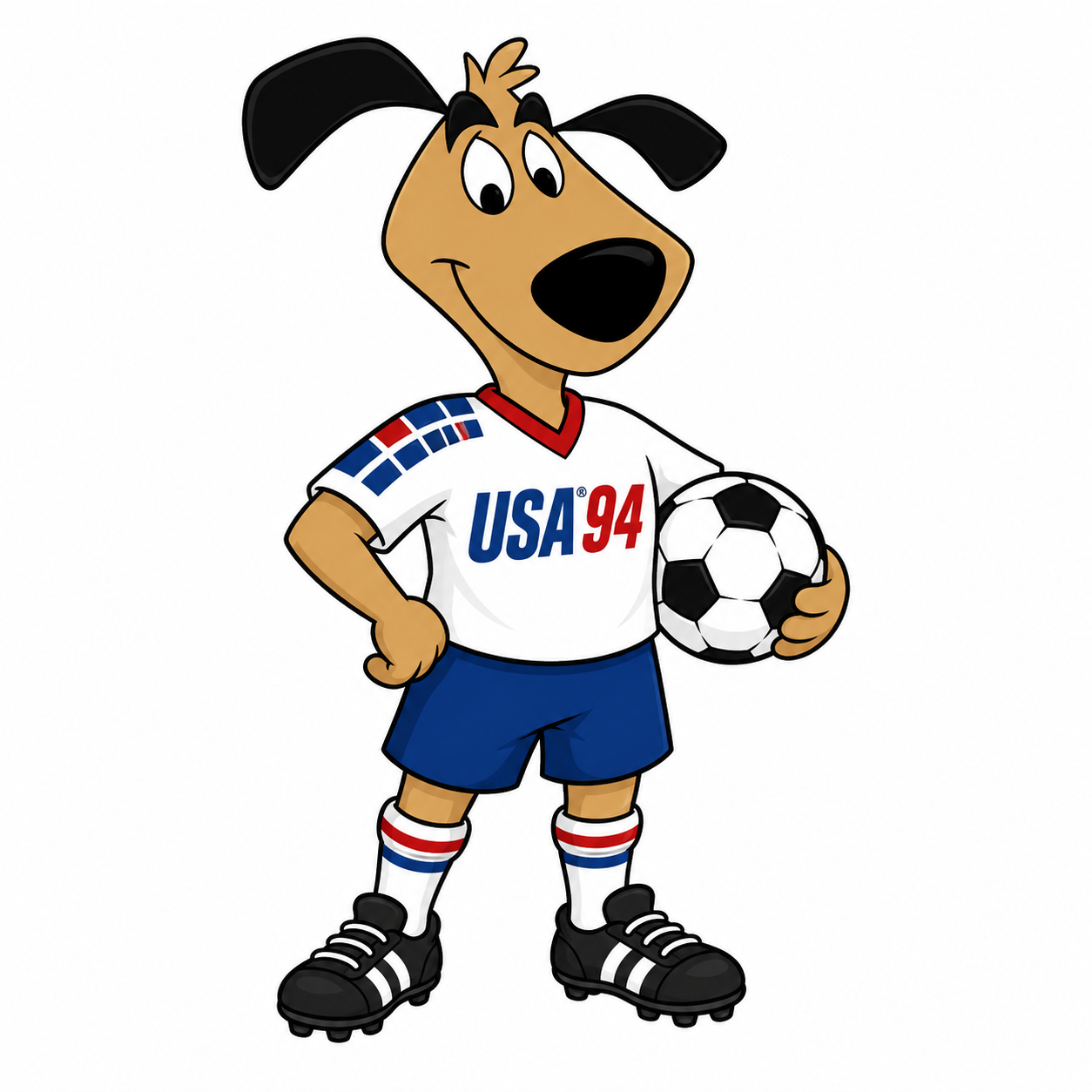
A cartoon dog with a USA kit. Striker reflected American sporting aesthetics. Closer to NFL or MLB mascots than European tournament tradition. He was friendly, marketable, and slightly bland. The tournament itself, by contrast, was a wild success and surprised many sceptics.
Footix, France 1998
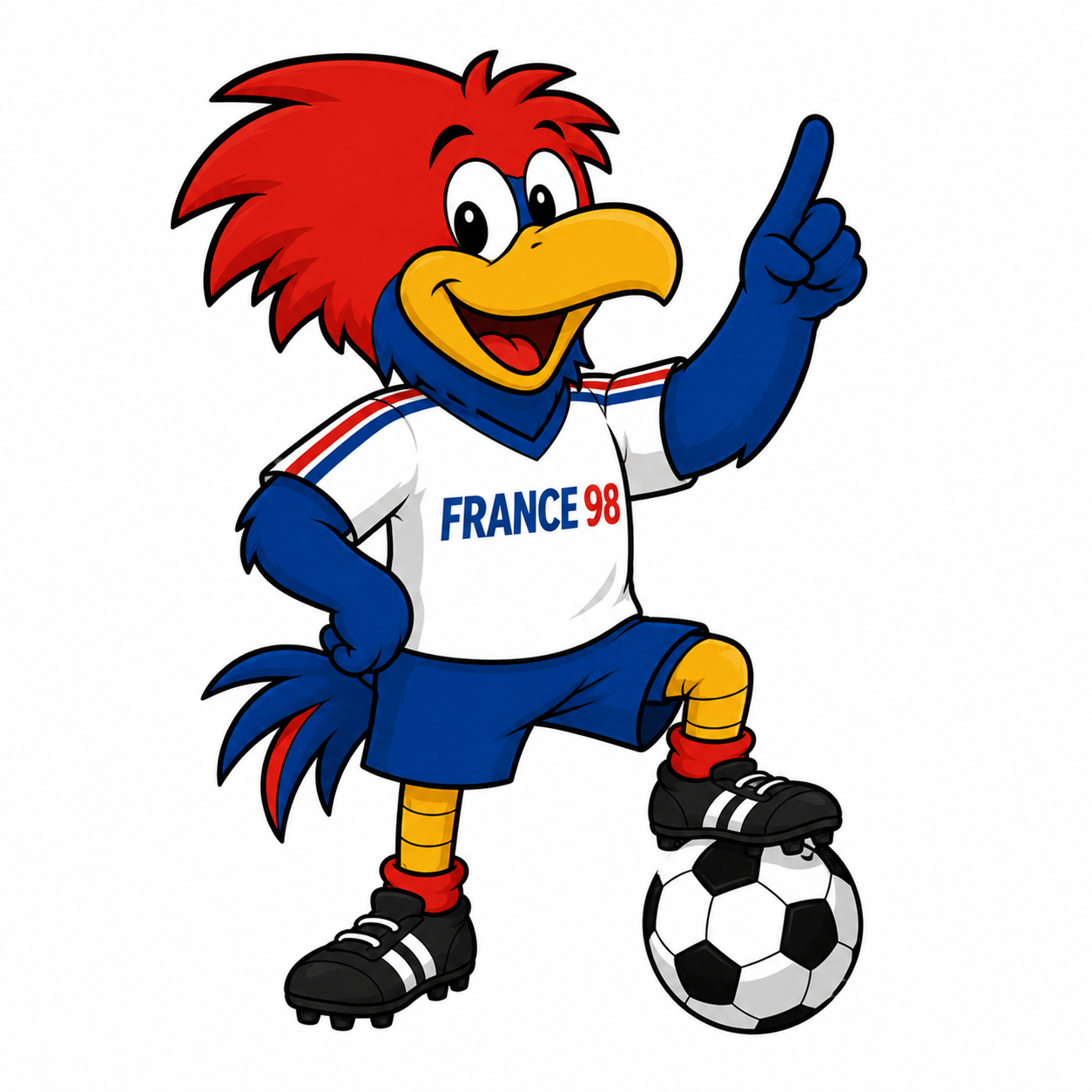
Footix was a blue rooster wearing a France shirt emblazoned with the number 98. The rooster has long been a national symbol of France, making Footix one of the most culturally relevant World Cup mascots ever created. The name combined “football” with the popular French suffix “-ix”, made famous by the Asterix comics. France’s triumph on home soil helped make Footix one of the most recognisable World Cup mascots of all time.
Ato, Kaz and Nik, Korea/Japan 2002
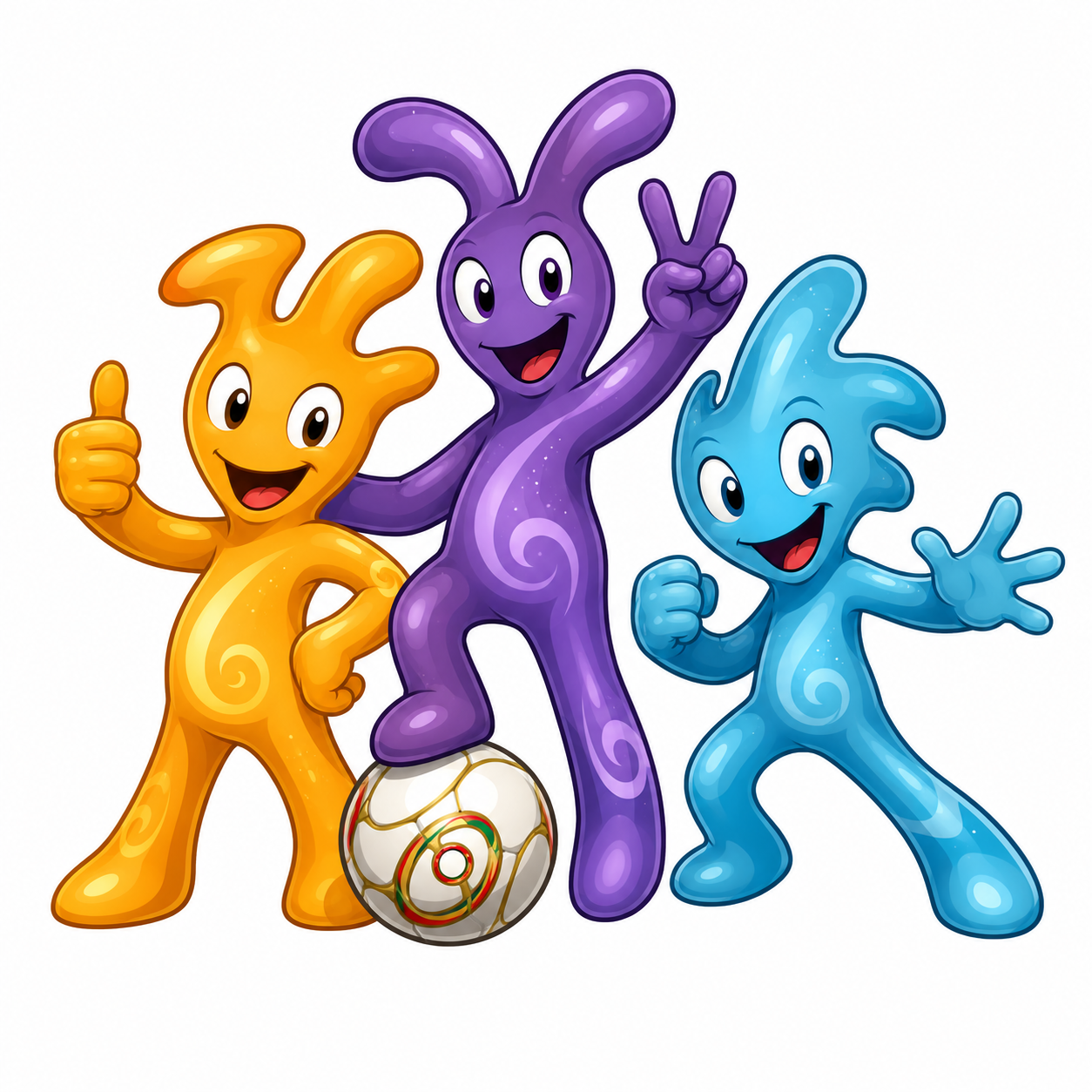
The first World Cup held in Asia produced the most unusual mascots in tournament history. Ato, Kaz and Nik were futuristic creatures representing a fictional sport called Atmoball. Designed to appeal to younger audiences and digital media, they divided opinion but reflected the technological ambitions of the first co-hosted World Cup.
Goleo VI, Germany 2006
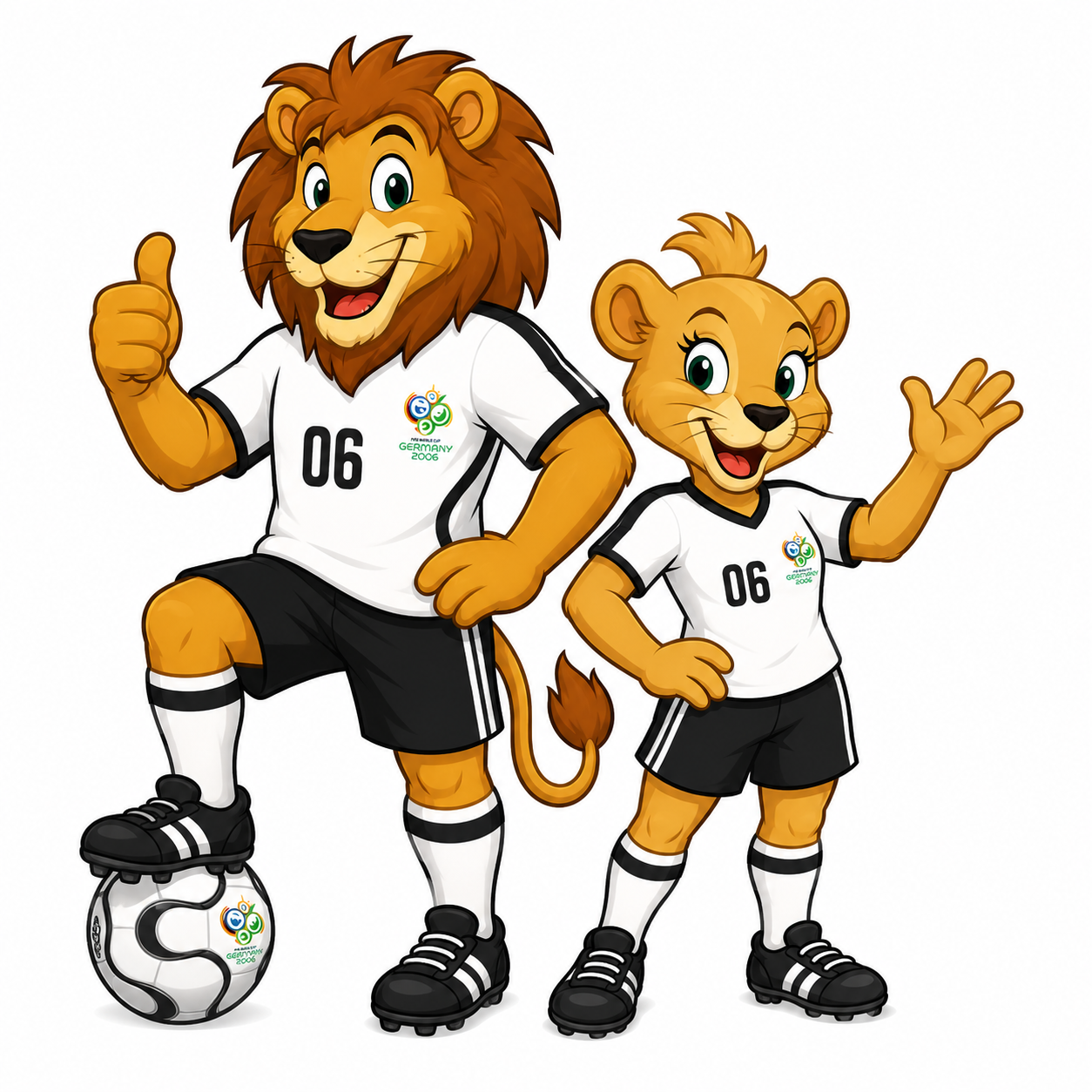
Goleo VI was a lion wearing a Germany shirt alongside his talking football companion Pille. While some fans questioned the decision to use a lion rather than a native German animal, Goleo became a familiar sight throughout the tournament. Germany’s successful hosting helped cement his place in World Cup history.
Watch: every official FIFA World Cup mascot from Willie in 1966 to the 2026 trio.
Modern World Cup Mascots: 2010 to 2026
The modern era has seen World Cup mascots evolve from simple cartoon characters into fully developed digital brands.
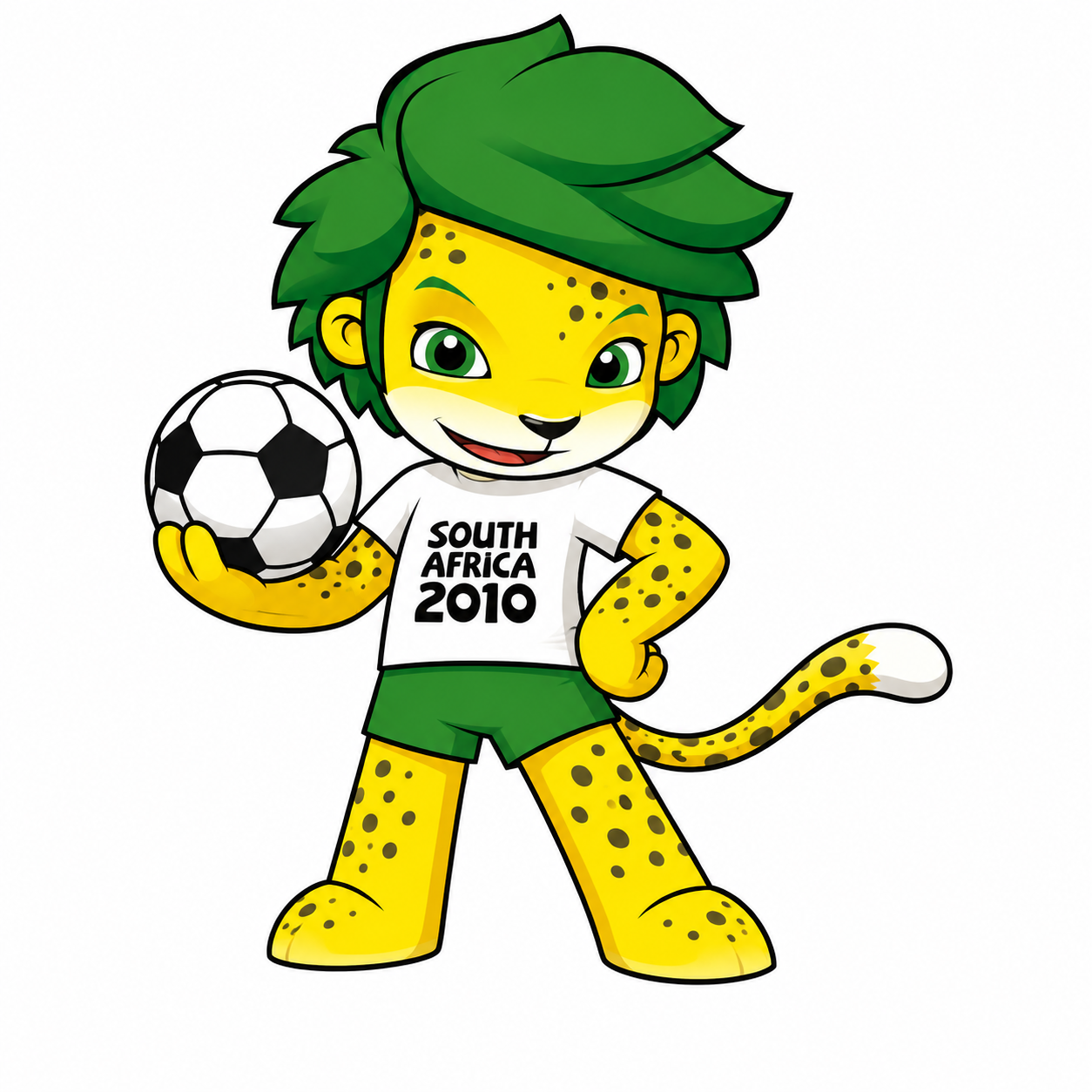
Zakumi (2010) was a green-haired leopard designed to represent South Africa’s youthful energy.
Fuleco (2014) was a Brazilian three-banded armadillo created to raise awareness of wildlife conservation.
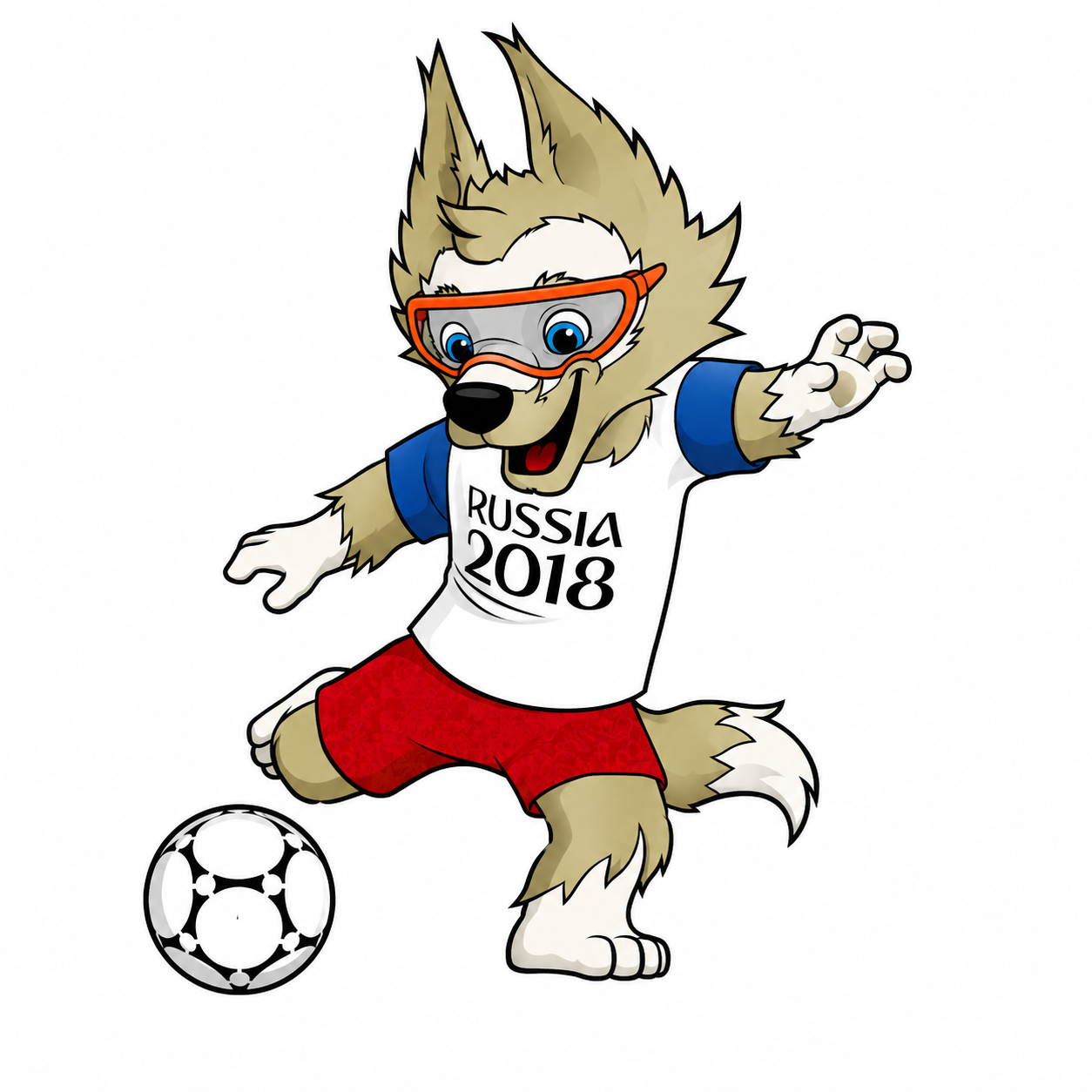
Zabivaka (2018) was a football-playing wolf whose name translates roughly as “the one who scores”.
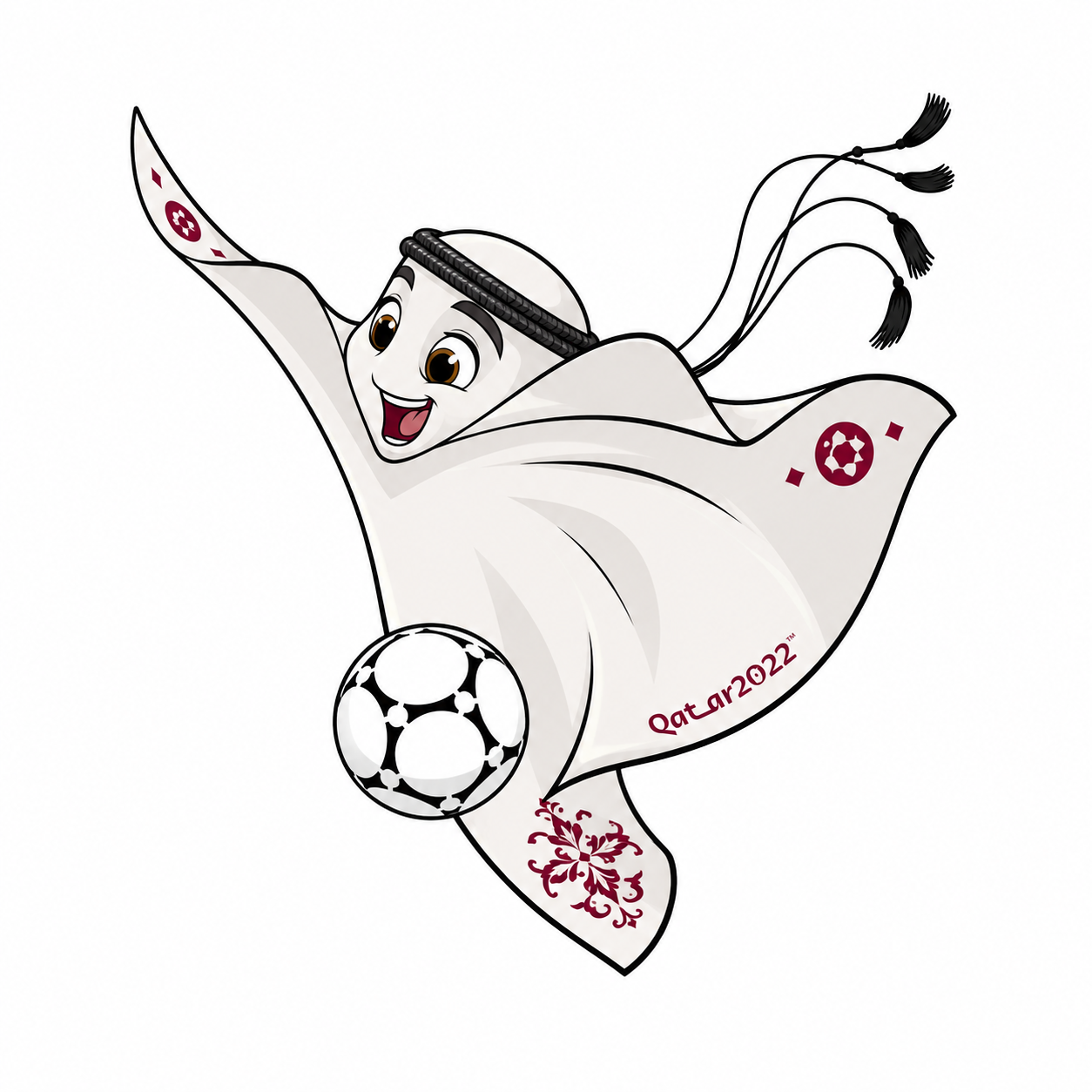
La’eeb (2022) was inspired by a traditional ghutrah and became one of the most distinctive World Cup mascots ever created.
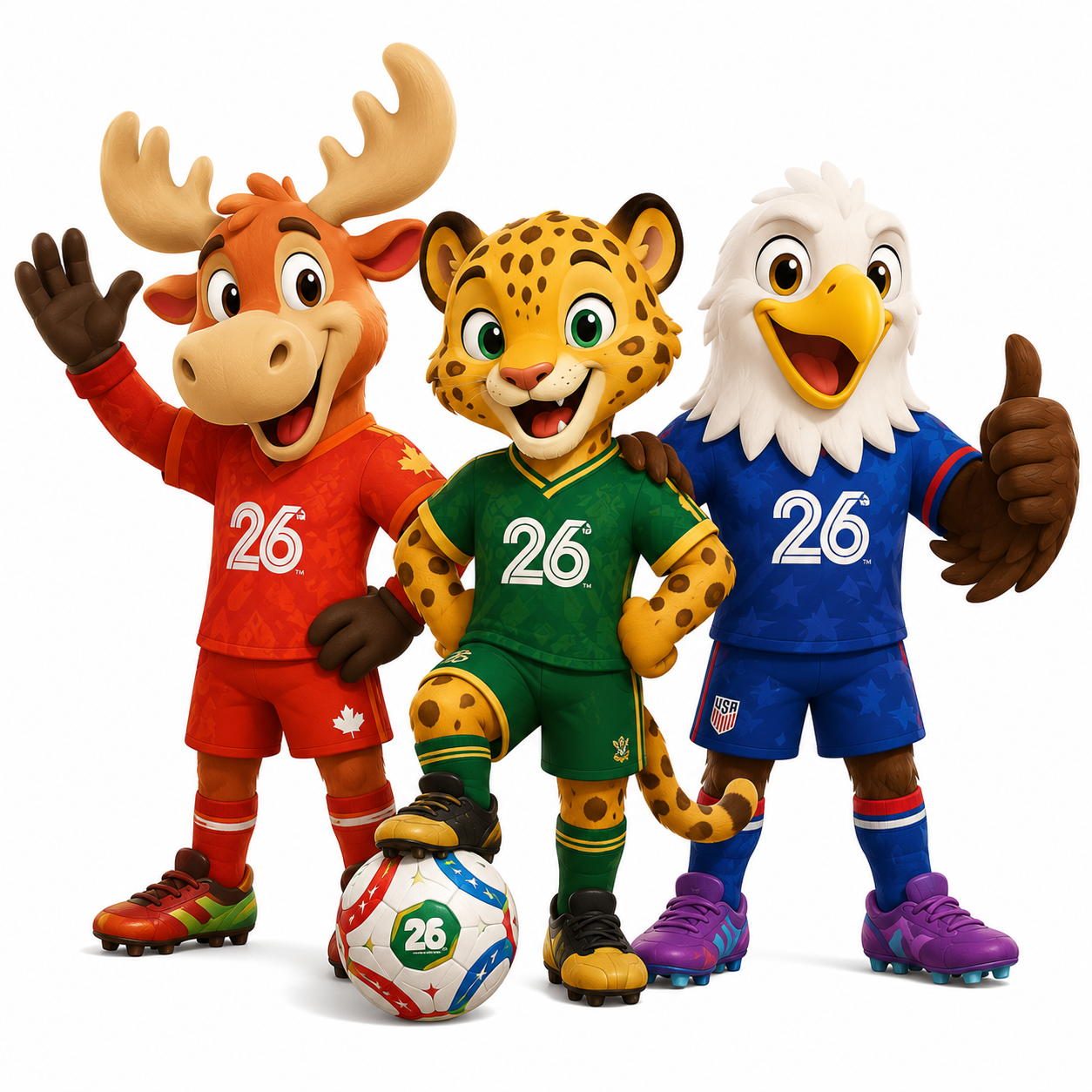
Maple, Zayu and Clutch (2026) continue the trend toward social-media-first mascot design, with each character representing one of the three host nations.
What Comes in 2026
FIFA confirmed the 2026 mascot trio in 2024. Maple (a Canadian moose), Zayu (a Mexican jaguar), and Clutch (a US bald eagle). Each represents one host nation. Their styling is bold, almost video-game-like, and aimed squarely at younger audiences. Whatever you think of them, expect to see all three everywhere from June 2026 onwards.
Mascots in the Streaming Era
The 2018 and 2022 mascots reflected the streaming-era reality that mascots now exist as digital content as much as plush toys. La’eeb’s animated TikTok content reached audiences who never watched a single match. The 2026 trio of Maple, Zayu, and Clutch were designed with social platforms in mind from the start. The cultural function of the mascot has shifted. From match-day decoration to content asset. Whether that’s an improvement or a dilution is genuinely debated. But it reflects how the tournament’s broader cultural reach now operates across platforms unimaginable when Willie debuted in 1966.
Final Notes on Mascot Culture
The role of the mascot has evolved enormously, but the basic logic remains. Every World Cup wants a recognisable visual identity, something a child can love, and something brands can license. From Willie to the 2026 trio, the tournament has rarely failed to deliver at least one memorable face.
How World Cup Mascots Have Evolved
World Cup mascots tell the story of changing marketing trends and cultural values.
During the 1960s and 1970s, mascots were usually children or national symbols designed to create a friendly image for host countries.
The 1980s introduced more experimental ideas such as Naranjito and Pique, turning everyday objects into memorable characters.
The 1990s brought increasingly abstract designs, highlighted by Italy’s geometric mascot Ciao.
Since 2000, mascots have become multimedia brands, appearing in video games, social media campaigns, television content, and merchandising programmes aimed at global audiences.
Conclusion
Mascots are often dismissed as trivial, but they’re a fascinating cultural artefact. They capture how host nations choose to present themselves to a global audience. The 1970s wanted cute, the 1990s wanted modern, and the 2020s want shareable.
World Cup Mascot FAQs
Who was the first World Cup mascot?
World Cup Willie, introduced for England 1966, was the first official mascot used at a FIFA World Cup.
What is the most famous World Cup mascot?
World Cup Willie, Naranjito and Footix are widely considered among the most iconic World Cup mascots ever created.
Why does FIFA use World Cup mascots?
Mascots help promote the tournament, engage younger fans and provide a memorable visual identity for each World Cup.
Which World Cup had three mascots?
The 2002 World Cup featured Ato, Kaz and Nik, while the 2026 tournament introduced Maple, Zayu and Clutch.
What animal has been used most often as a World Cup mascot?
Lions have appeared multiple times, including World Cup Willie in 1966 and Goleo VI in 2006.
Who are the 2026 World Cup mascots?
Maple the moose, Zayu the jaguar and Clutch the bald eagle represent Canada, Mexico and the United States respectively.
Which World Cup mascot was an orange?
Naranjito, the mascot of Spain 1982, was based on one of Spain’s most famous exports.
Which World Cup mascot was a dog?
Striker, the mascot of USA 1994, was a cartoon dog wearing an American football kit.