




By Martin Graham
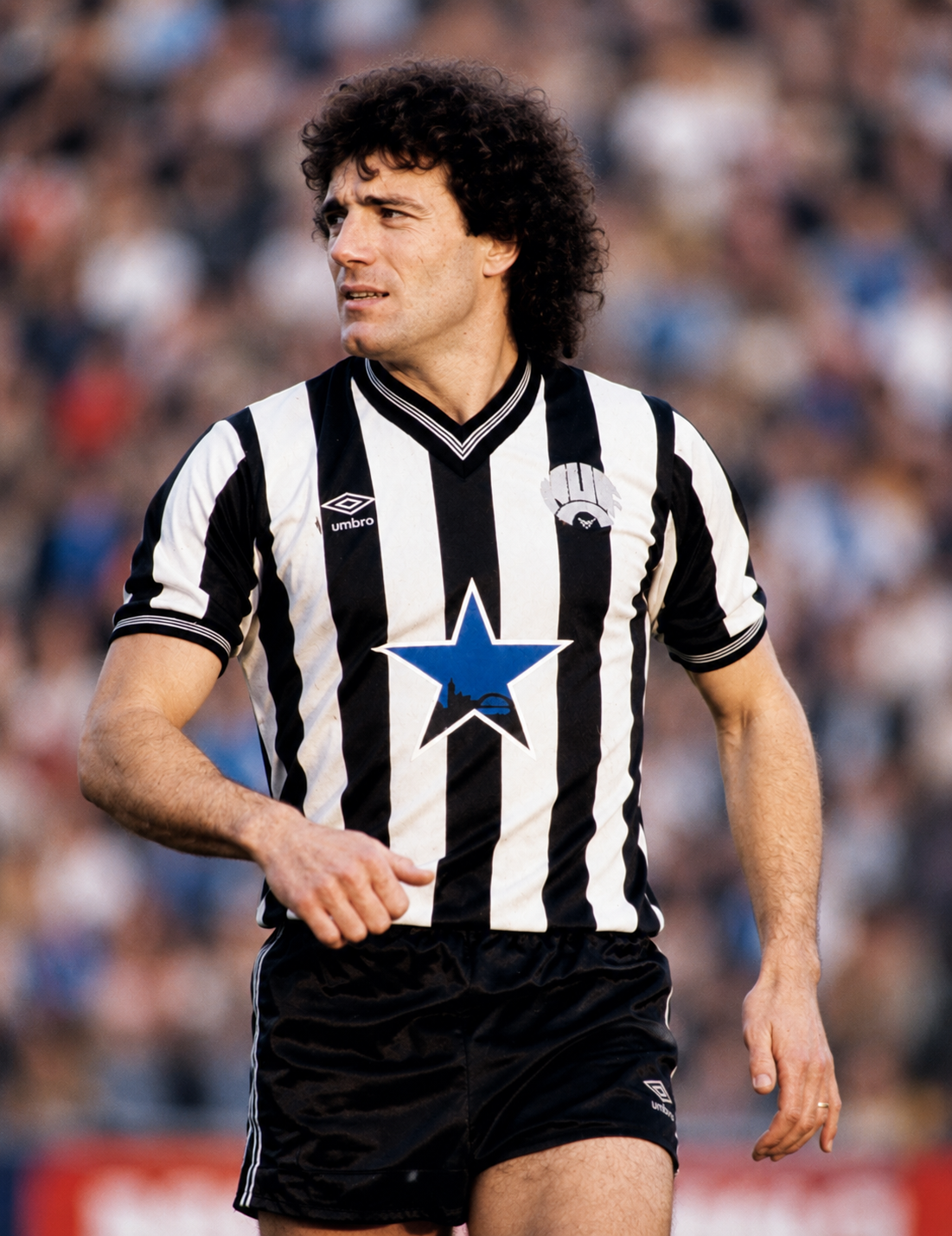
Gary Lineker’s playing career in England ended in May 1992, shortly before Gary Neville made his senior debut for Manchester United. Although their paths never crossed on the pitch, both have since become prominent figures in a rapidly evolving media landscape.
Today, the two former internationals operate influential digital platforms. Lineker co-founded Goalhanger in 2014, while Neville helped launch The Overlap in 2021 through his production company Buzz16. Each has carved out a distinct presence, reflecting different approaches to content creation and audience engagement.
Neville’s venture has focused heavily on personality-driven football content. The Overlap, known for shows like “Stick to Football,” combines long-form discussions, interviews, and fan interaction. Backed by partnerships and expansion into other sports, it has accumulated billions of views and aims to become a leading non-live football platform globally.
Lineker’s Goalhanger, meanwhile, has expanded beyond sport into multiple genres. Its portfolio includes podcasts on politics, history, entertainment, and science, achieving strong chart performance and global reach. The company reports tens of millions of monthly downloads and has secured major partnerships, including deals involving international tournaments and streaming platforms.
Different models, shared ambition
Despite surface similarities, the two businesses operate with contrasting strategies. The Overlap positions itself as a video-first platform, prioritizing visual content while treating audio as secondary. In contrast, Goalhanger built its success through podcasting, with video becoming an increasingly important extension.
Goalhanger’s broader thematic range has allowed it to dominate podcast charts across multiple categories, while The Overlap has gained a stronger foothold on YouTube, where its subscriber base significantly exceeds that of Lineker’s football-focused content.
Leadership from both sides acknowledges these differences. Neville’s team emphasizes direct fan engagement and adaptability, while Goalhanger highlights its multi-genre approach and global scalability. Both, however, share ambitions of continued expansion, including ventures into the United States and new content formats.
Financially, the two companies are also growing. Buzz16 reported notable annual revenue, while Goalhanger has secured profitable deals and investment to fuel further development. These figures underline their emergence as serious players within the digital media space.
Pressure on traditional broadcasters
The rise of athlete-led platforms is beginning to challenge established media organizations, particularly in how audiences consume sports-related content. While these newer ventures remain smaller in scale compared to traditional broadcasters, their influence continues to grow.
One key difference lies in editorial freedom. Digital platforms are less constrained by regulation, allowing for more opinionated and informal content. This contrasts with traditional broadcasters, which must adhere to stricter standards of neutrality and tone.
Lineker’s own experience highlights this divide. During a major international tournament, his podcast commentary was notably more candid than his on-air analysis, drawing attention to the differing expectations across platforms. His long-standing relationship with the BBC later ended following controversy surrounding a social media post.
Neville, still active as a television pundit, faces a different balancing act. His involvement with outspoken fan creators raises questions about potential conflicts between independent content and broadcaster expectations. The challenge lies in maintaining both authenticity and professional alignment.
A growing but uncertain market
The success of Goalhanger and The Overlap reflects a broader shift, with many former players launching their own media ventures. These platforms offer greater control over content and the ability to connect directly with audiences across global digital channels.
However, building a sustainable media business is complex. It requires consistent innovation, strong production quality, audience engagement, and a clear commercial strategy. While star power can provide an initial boost, long-term success depends on much more than personal branding.
Industry observers note that podcasts and digital shows may follow natural lifecycles, with growth eventually plateauing. This makes adaptability essential, as creators must continually evolve their formats and offerings to remain relevant.
At the same time, the market is far from saturated. There is still significant room for new entrants, particularly on platforms like YouTube. Rather than a zero-sum environment, the expansion of high-profile ventures has helped validate the space and attract both audiences and advertisers.
What comes next for athlete-led media
Both Lineker and Neville are continuing to invest in growth, whether through acquisitions, partnerships, or international expansion. Their success has demonstrated the potential of independent, talent-driven media businesses in a landscape traditionally dominated by large broadcasters.
While neither company yet rivals legacy media in scale, their agility and direct connection with fans give them a unique advantage. As consumption habits continue to shift, these ventures may play an increasingly important role in shaping the future of sports media.
Ultimately, their rivalry is less about direct competition and more about differing visions within the same evolving industry—one driven by personality, accessibility, and the changing expectations of modern audiences.
