


POST MATCH
Spain 0-0 Cape Verde Islands Post Match Review
Match Summary
In a tightly contested World Cup clash at Atlanta Stadium, Spain and Cape Verde Islands played to a frustrating goalless draw. Spain dominated possession throughout the match, holding the ball for 74% of the time and launching a staggering 27 shots, yet they were unable to find the back of the net. Cape Verde, despite their limited possession and fewer chances, showcased a resolute defensive performance that frustrated the Spanish attackers and earned them a valuable point.
The first half saw Spain create several opportunities, with Ferran Torres coming close early on, only to be denied by VAR intervention. As the match progressed, Spain's relentless pressure continued, but Cape Verde's goalkeeper Vozinha was in inspired form, making seven crucial saves to keep his side in the game. The Cape Verdeans, while largely on the back foot, managed to disrupt Spain's rhythm with a disciplined defensive setup and tactical fouls, limiting the effectiveness of Spain's attacking trio.
As the second half unfolded, Spain made tactical substitutions to inject fresh energy into their attack, but the Cape Verde defence held firm. Despite a late surge from the Spanish side, including a VAR check for a potential goal from Lamine Yamal, the match ended in a stalemate, leaving Spain to reflect on their inability to convert dominance into goals. Cape Verde, on the other hand, celebrated a hard-fought draw that bolstered their confidence in the tournament.
Match Statistics
The statistics from the match tell a compelling story of dominance without reward for Spain. With 74% possession and 27 shots, including 7 on target, Spain clearly controlled the game and created numerous opportunities. However, Cape Verde's resolute defence, highlighted by their goalkeeper's seven saves, proved to be the difference, as they managed to withstand the pressure and limit Spain's scoring chances effectively.
On the defensive front, Cape Verde's tactical discipline was evident, committing only one foul in the first half and maintaining their shape throughout the match. Spain, conversely, struggled with discipline, committing 10 fouls and receiving a yellow card. This contrast in discipline and defensive organisation played a crucial role in the outcome, as Cape Verde's ability to absorb pressure and counter effectively kept them in the game.
Goals and Assists
The match ended with a scoreline of 0-0, reflecting the lack of goals despite Spain's attacking intent. No individual goal scorers or assists were recorded, as both teams failed to convert their chances into goals. Spain's inability to break through Cape Verde's defence was a key factor in the match, as they dominated possession and shots but could not find the finishing touch.
How the Match Was Won
Spain's approach was characterised by their high possession and aggressive pressing, which allowed them to control the tempo of the game. However, their failure to convert this dominance into goals highlighted a lack of clinical finishing in the final third. Cape Verde's defensive strategy, employing a compact 4-1-4-1 formation, effectively stifled Spain's creativity and forced them into taking shots from distance, which were often easily dealt with by Vozinha.
The turning point came in the first half when Ferran Torres had a goal disallowed by VAR, which could have shifted the momentum in Spain's favour. Instead, Cape Verde's confidence grew as they absorbed the pressure, and their tactical substitutions in the second half helped maintain their defensive solidity, ultimately leading to a hard-earned draw.
Key Moments Timeline
The match was punctuated by several key moments that shaped the outcome, including a disallowed goal and tactical substitutions. Spain's early attempts to break the deadlock were thwarted by VAR, while Cape Verde's disciplined defensive play was crucial in maintaining their clean sheet.
Lineups and Tactical Shape
Spain Tactical Shape
Spain lined up in a 4-3-3 formation, featuring David Raya in goal and a back four consisting of Marc Pubill, Alejandro Grimaldo, Eric García, and Marcos Llorente. The midfield trio of Mikel Merino, Fabián Ruiz, and Dani Olmo aimed to control the game, while Ferran Torres, Gavi, and Yéremy Pino provided attacking options upfront. Substitutions were made to inject fresh legs into the midfield and attack as the match progressed.
Formation: 4-3-3
Cape Verde Islands Tactical Shape
Cape Verde Islands adopted a 4-1-4-1 formation, with Vozinha in goal and a solid defensive line comprising Stopira, Diney Borges, Roberto Lopes, and Logan Costa. Kevin Lenini played a pivotal role in midfield, while the attacking threat came from Benchimol and Garry Rodrigues. The team made several substitutions to maintain their defensive structure and introduce fresh energy in the latter stages of the match.
Formation: 4-1-4-1
Tactical Story of the Match
Tactically, Spain aimed to dominate possession and create scoring opportunities through their fluid attacking play. Their midfielders were tasked with controlling the game and linking up with the forwards, but they often found themselves frustrated by Cape Verde's disciplined defensive setup. The Spanish side's reliance on wide play and quick interchanges was countered effectively by Cape Verde's compact formation, which limited space and forced Spain into taking low-percentage shots.
Cape Verde, on the other hand, focused on a counter-attacking strategy, looking to exploit any gaps left by Spain's attacking players. Their midfielders worked tirelessly to disrupt Spain's build-up play, and their defensive resilience allowed them to absorb pressure while occasionally threatening on the break. This tactical battle ultimately favoured Cape Verde, as they successfully nullified Spain's attacking threats.
Player Impact
Ferran Torres was instrumental for Spain, frequently finding himself in dangerous positions and creating opportunities for his teammates. His disallowed goal early in the match was a significant moment, as it could have set the tone for Spain's performance. Despite not scoring, his movement and ability to draw defenders were crucial in Spain's attacking strategy.
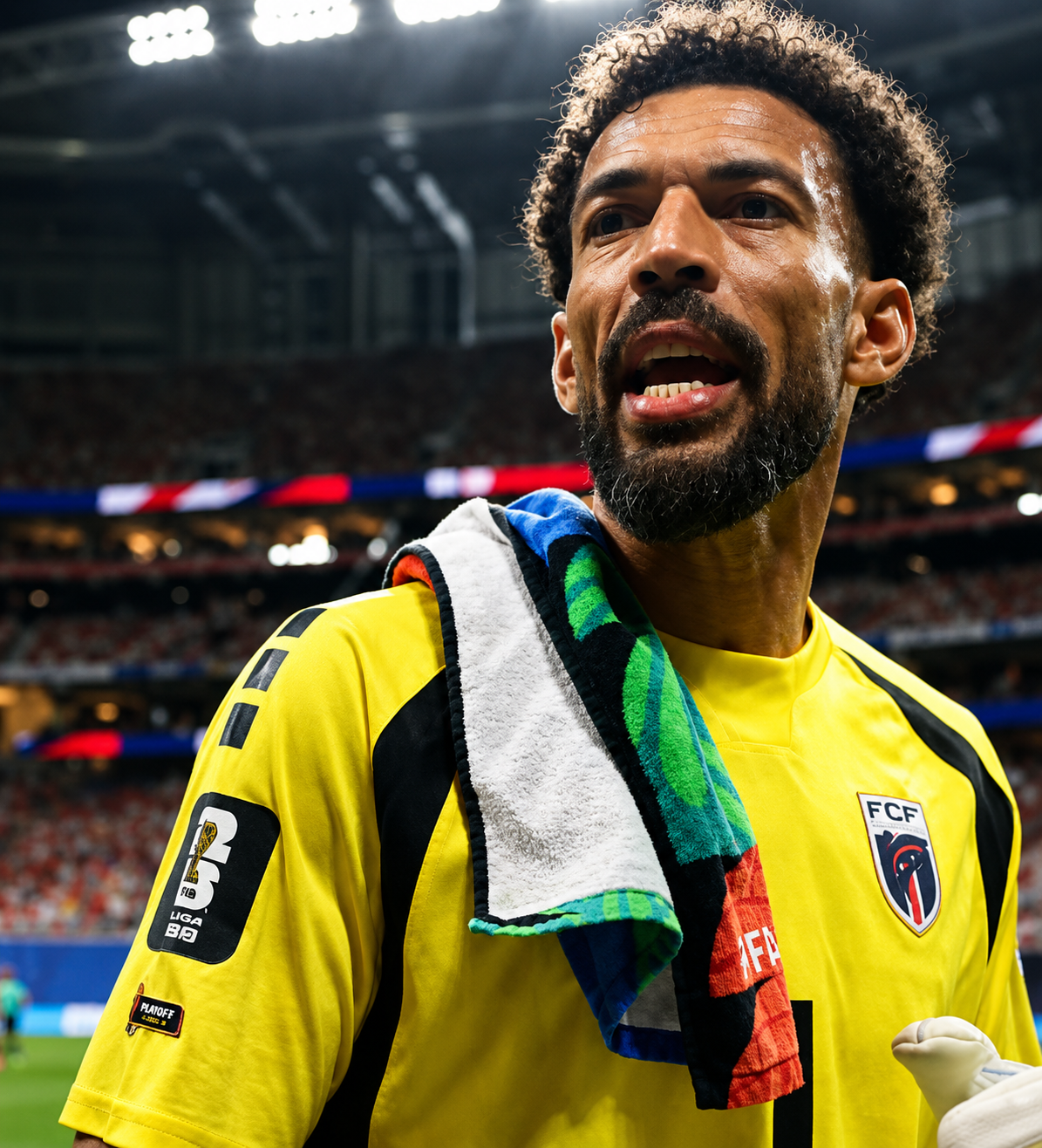
Vozinha, the Cape Verde goalkeeper, was a standout performer, making seven vital saves that kept his team in the match. His composure under pressure and ability to command his area were key to Cape Verde's defensive success. Additionally, the substitutions made by Cape Verde in the second half helped maintain their defensive shape and introduced fresh legs to counter Spain's relentless attacks.
Spain's midfielders, particularly Mikel Merino and Fabián Ruiz, worked hard to control the game, but they struggled to find the final ball that would unlock Cape Verde's defence. The introduction of Gavi and other substitutes aimed to inject creativity and energy, but they were unable to break through the resolute defensive line of Cape Verde.
Updated Form Guide
Spain's recent form has been mixed, with one win, two draws, and a loss in their last four matches. This draw against Cape Verde adds to their frustrations, as they have struggled to convert their dominance into victories. Meanwhile, Cape Verde's form has been more positive, with two wins and a draw in their last four outings, suggesting they are building momentum and confidence as they progress in the tournament.
Spain
Cape Verde Islands
What’s Next for Both Teams?
Spain will be looking to bounce back in their next fixture, where they will need to find a way to convert their possession into goals if they hope to advance in the tournament. Their next match will be crucial in determining their path forward, as they seek to regain their attacking form.
Cape Verde, buoyed by this draw, will aim to build on their performance as they prepare for their next match. With their defensive solidity and newfound confidence, they will look to secure another positive result that could enhance their chances of progressing in the World Cup.
What the Result Means
The goalless draw leaves Spain with much to ponder, as their inability to score despite dominating possession raises questions about their attacking efficiency. This result could impact their confidence moving forward, as they need to find a way to convert chances into goals to remain competitive in the tournament. For Cape Verde, the draw represents a significant achievement, showcasing their resilience and tactical discipline, which could serve as a springboard for future matches.
MyFootballPicks Man of the Match
Ferran Torres was named MyFootballPicks Man of the Match for his impactful performance, consistently threatening the Cape Verde defence and creating opportunities for his teammates. Despite the lack of goals, his movement and creativity were pivotal in Spain's attacking play.
Full-Time Whistle
As the final whistle blew, both teams were left to reflect on their performances. Spain will need to regroup and find their scoring touch, while Cape Verde can take pride in their defensive display that earned them a hard-fought point in this World Cup encounter.