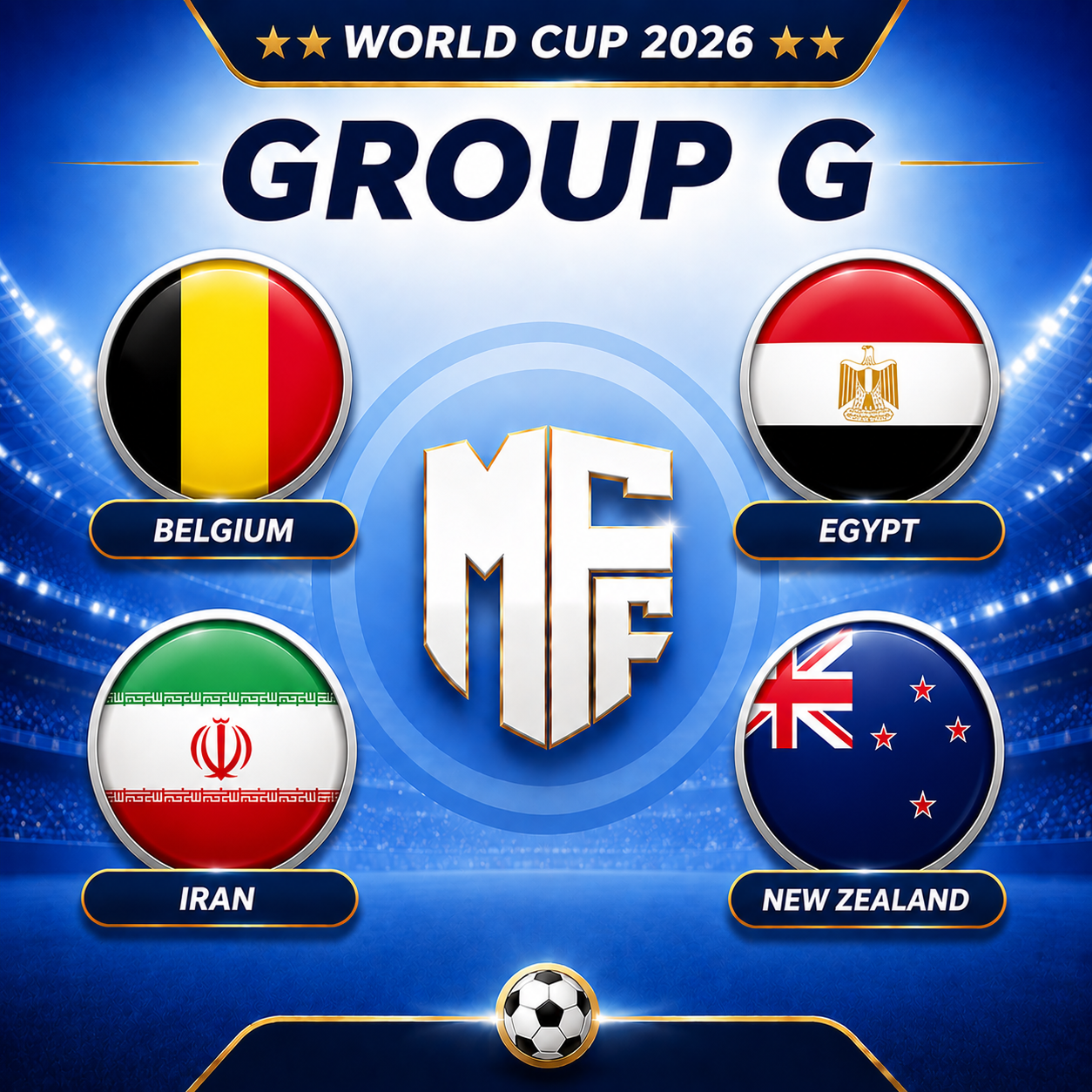

Group G at the 2026 World Cup brings together a mix of European tactical ambition, Middle Eastern resilience, North African pedigree and Oceanic adventure. Belgium headline a group that also features Iran, New Zealand and Egypt — a fascinating combination of styles, with all four sides arriving at the tournament with something to prove. Matches in Seattle, Los Angeles and Vancouver should deliver some of the most contrasting football of the early rounds for football fans looking for World Cup 2026 Tickets.
The Favourites: Belgium
Belgium enter the 2026 World Cup at a fascinating crossroads. The so-called “Golden Generation” of De Bruyne, Hazard and Lukaku that promised so much through the 2010s never quite delivered the major silverware their talent deserved. Now, with a younger core blended around the experienced spine, the Red Devils enter this tournament with renewed energy under their manager. Belgium should top this group comfortably, though their second-round potential will depend heavily on whether the new generation can step up when it matters most.
The Challengers
Egypt are the most decorated African side in continental history, with seven AFCON titles. Their qualification for 2026 was Mohamed Salah’s chance to finally make his mark on a World Cup, having endured a difficult campaign in Russia 2018. Manager Hossam Hassan has built a side that combines Salah’s brilliance with a more pragmatic, defensively solid framework. The Pharaohs will fancy their chances of progressing.
Iran are perennial Asian qualifiers and bring a tactically organised, physically robust approach to tournaments. Team Melli pushed England to the limit at Qatar 2022 and have the experience of a side that knows how to navigate group stages. They are difficult to break down, dangerous on set pieces, and capable of springing a surprise.
New Zealand are the sole Oceanic representative, and the All Whites bring a refreshing underdog spirit to the tournament. With limited international pedigree, they will be the clear outsiders in the group, but their physical, direct style and well-organised defence could make them awkward opponents.
Talents to Watch
For Belgium, Jérémy Doku has emerged as the dynamic attacking threat of the new era. The Manchester City winger combines blistering pace with extraordinary dribbling and is capable of changing matches on his own. Romelu Lukaku remains the focal point in attack, his physical presence and finishing instincts still elite-level. Charles De Ketelaere offers creativity from the number-ten role, while veteran Kevin De Bruyne — if still selected — remains capable of producing moments of brilliance. Wout Faes and Zeno Debast form the new core of the defence, and goalkeeper Thibaut Courtois continues to be one of the world’s very best.
Egypt’s hopes, as ever, rest heavily on Mohamed Salah. The Liverpool legend approaches what is likely his final World Cup, and the desire to leave a mark on the tournament will drive him. Alongside him, Omar Marmoush has emerged as a genuine star — the City forward’s pace, finishing and link-up play offer Salah the support he has long lacked. Mostafa Mohamed provides further attacking depth, while Mohamed Elneny brings midfield experience. Goalkeeper Mohamed El Shenawy has been a consistent presence between the sticks.
For Iran, Mehdi Taremi is the star. The Inter Milan striker is one of Asia’s most clinical finishers and combines physicality with technical quality. Sardar Azmoun offers an experienced foil up front, while Saman Ghoddos and Alireza Jahanbakhsh bring European-honed quality on the flanks. Defensively, Majid Hosseini anchors the back line. Iran’s tactical discipline under Amir Ghalenoei is a particular strength.
New Zealand’s key man is Chris Wood, the Nottingham Forest striker whose physical presence and finishing have been at career-best levels in recent Premier League seasons. Marko Stamenić brings genuine midfield quality, while veteran Winston Reid — if selected — offers defensive leadership.
How the Group Could Unfold
The opening matchday features Belgium vs Egypt in Seattle and Iran vs New Zealand in Los Angeles. The Belgium-Egypt fixture could be tighter than expected, particularly given Salah’s quality on the big stage. Iran should be favoured against New Zealand. The matchday two fixture between Belgium and Iran in Los Angeles could be decisive for top spot, while Egypt vs New Zealand on matchday three may decide who finishes second.
A predicted finish: Belgium top, Egypt second, Iran third and possibly progressing as one of the best third-placed teams.
Final Word
Group G may not boast the marquee names of some other pools, but it has compelling individual storylines. Salah’s last great tournament chance, Doku’s coming-of-age moment, Taremi’s bid to be Asia’s standout striker — there is plenty here to enjoy. Belgium should advance comfortably, but the battle for the second qualification spot promises real drama, and any of Egypt, Iran or even New Zealand could yet make a name for themselves in 2026.